
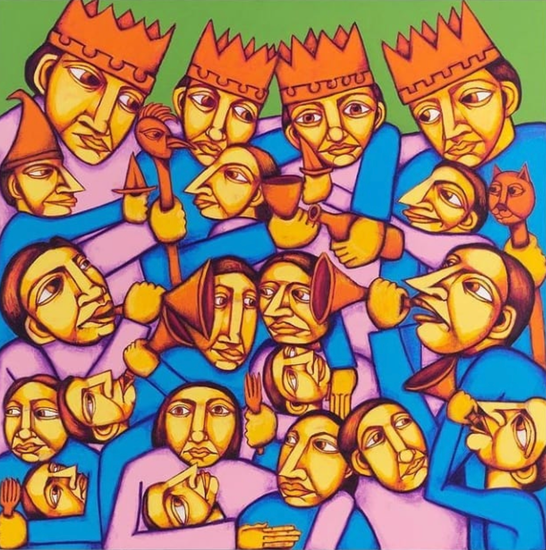

Every artist remembers the first time they imagined their work hanging on a gallery wall — and the second feeling that usually follows: that door is closed to people like me.
For decades, that instinct was mostly correct. Commercial galleries were gatekept spaces, built around a small circle of established names and reluctant to take a risk on someone without a résumé. But the path into the art world has changed more in the last five years than in the previous fifty, and emerging artists who understand the new rules are getting represented faster than ever.
Here is the honest, practical version of how it works now.
The old ladder still exists — it’s just slow
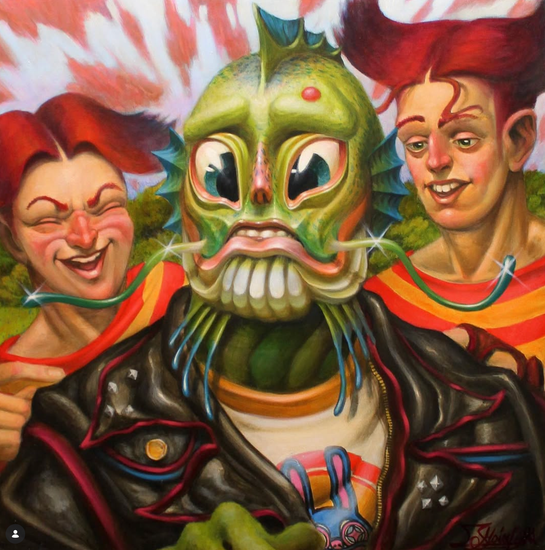
The traditional route hasn’t disappeared. You show in artist-run centres and group exhibitions, you get noticed by curators and critics, you build a small reputation, and eventually a commercial gallery approaches you. This still works, and the credibility it builds is real.
The problem is purely one of speed: it can take years of unpaid shows before a single gallery offers representation, and many talented painters simply run out of patience or money before they reach the top of that ladder.
What galleries actually look for
Contrary to the myth, galleries are not looking for a diploma. They are looking for four things:
- A recognizable voice: This means someone can identify your piece across a crowded room.
- A consistent body of work: Consistency means your last ten works clearly belong to the same artist.
- Professionalism: This means you are reliable, you photograph your work well, you label dimensions and prices, and you are genuinely good to work with.
- Evidence of demand: This can be as simple as a small but engaged following, or a handful of past sales.
None of these require a degree — they require intention.
Prepare a portfolio that earns a “yes”
Curators decide quickly, so make the decision easy.
- Present 8 to 12 of your strongest, most coherent pieces — not your entire output.
- Use clean, accurate photographs, list real dimensions and prices, and write a short artist statement that explains the why behind the work in plain language.
Coherence beats quantity every time. A focused set of twelve related paintings tells a gallery, “I know exactly who I am,” which is the single most reassuring thing an artist can communicate.
Combine the physical wall and the online shop
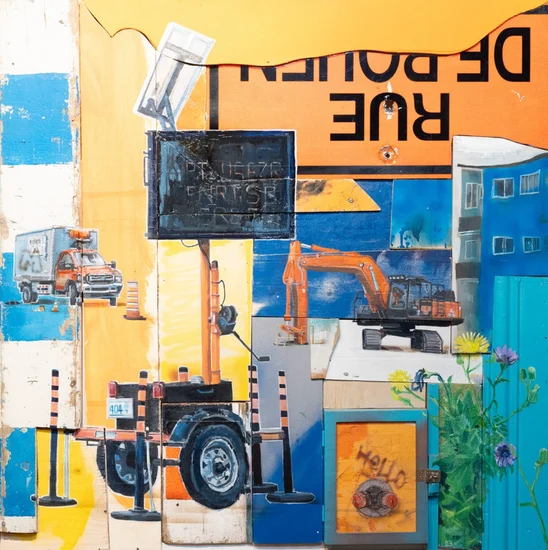
The biggest shift of the last few years is that “a gallery” no longer means only a physical room. The strongest position for an emerging artist is to be both on a wall and online at the same time — a physical space that lends credibility, paired with an online presence that multiplies reach far beyond your city.
A painting seen by visitors in a Montréal gallery and by collectors browsing online has dramatically more chances to sell than one limited to a single room.
The open-door shortcut
The most important change is that some galleries are now designed to onboard new artists directly, rather than waiting to be approached. Instead of spending years climbing the validation ladder, you can apply and be considered on the strength of your work alone. This is exactly the model that newer, artist-first galleries are built on — lower commissions, genuine promotion, and an open application rather than a closed inner circle.
If you are ready to take that step, you can join an art gallery like L’Original, which represents a large roster of professional artists, actively welcomes new talent, and sells work both from its two Montréal locations and online to collectors across North America and Europe. You apply directly — no waiting to be “discovered.”
Start now, not when you feel ready
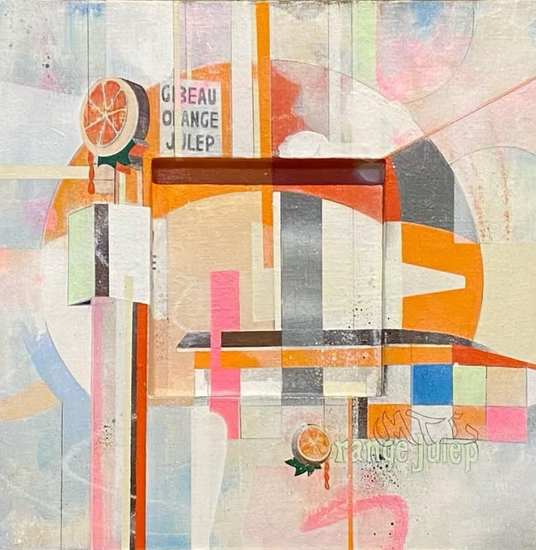
The artists who get represented are rarely the most talented in absolute terms; they are the ones who treated their practice like a profession early and put their work in front of the right people.
You do not need permission, and you no longer need a decade of unpaid shows. You need a coherent body of work, a clean portfolio, and the willingness to walk through a door that — for the first time in a long time — is genuinely open.