
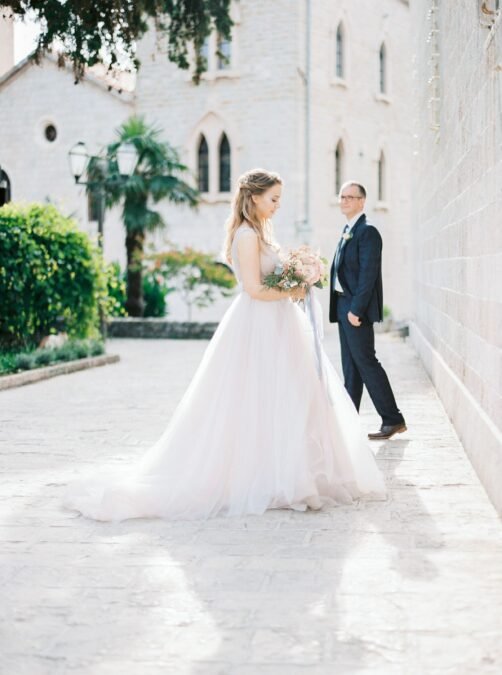

Planning a wedding in Europe means embracing history, breathtaking landscapes, and unparalleled elegance. Whether your journey leads to a sun-drenched Tuscan masseria, a historic château in the French Loire Valley, or a monumental, industrial-chic venue in the heart of Amsterdam, European weddings carry an inherent sense of grandeur.
In 2027, couples are leaving informal, bohemian-chic trends firmly in the past. There is a powerful, collective desire for etiquette, tradition, and pure class. Guests and grooms are no longer dressing down; instead, they are embracing formal dress codes as a mark of respect for the occasion.
However, navigating different formal dress codes can be a challenge, particularly when the wedding takes place in a foreign climate or a historic European setting. This guide offers the ultimate roadmap to formal menswear and essential tips for hosting or attending an unforgettable European celebration.
1. Decoding the Formal Dress CodesOn European soil, dress codes are often stricter and more traditional than anywhere else in the world. When the invitation requests formal wear, there are three primary paths that define the modern gentleman in 2027.
Black Tie (The Tuxedo)This is the gold standard for evening weddings in Europe. A classic tuxedo consists of a deep black or midnight blue jacket with satin or silk lapels (either peak lapels or a shawl collar), matching trousers with a satin ribbon down the side seam, a crisp white dress shirt with a pleated or pique front, and a hand-tied black silk bow tie. In Europe, black tie is traditionally worn only after 6:00 PM, or for the ceremony if it flows directly into the evening reception.
Morning Dress (The Morning Coat)For highly formal, traditional daytime weddings, particularly in the UK, France, and aristocratic circles across the continent, Morning Dress is the pinnacle of style. This ensemble features a single-breasted morning coat (usually black or grey) with curved tails, striped trousers, a smart waistcoat (often in pastel or buff shades), and a white collared shirt worn with a tie or cravat. Once the sun sets, the groom and guests traditionally change into a tuxedo for the evening festivities.
Formal Attire (The Classic Three-Piece Suit)When the invitation simply states “Formal” or “Dark Suit,” the correct choice is an impeccably tailored, three-piece suit in navy or charcoal grey. The addition of a waistcoat instantly elevates the level of formality, ensuring you still look exceptionally well-dressed even when the jacket is removed later in the evening.
To fully understand these nuances and make the best choice for your build and the venue, consulting an expert is highly recommended. A comprehensive guide on formal men’s attire provides deep insights into the rules of etiquette, the perfect fit, and how to translate traditional dress codes into a contemporary, confident look.
2. Essential Tips for a Wedding in EuropeMarrying in Europe offers magical backdrops, but it also presents unique logistical and cultural challenges. Here are three crucial tips to ensure everything runs smoothly.
Tip 1: Respect the Local Climate and Choose the Right FabricA château in the South of France in July requires a completely different material strategy than a Scottish castle in October. A common mistake is wearing heavy, synthetic fabrics in a warm Mediterranean climate.
• For warm European summers: Opt for formal fabrics with an open weave. Wool-silk-linen blends offer the breathable, lightweight qualities of linen, but the addition of silk and wool ensures the suit retains the sharp, crease-resistant structure required for a formal aesthetic.
• For autumn and winter: Lean into heavier weights such as flannel, heavier merino wool, or even a rich velvet dinner jacket for the evening. This keeps you warm during outdoor photo sessions and exudes a regal, seasonal warmth.
Tip 2: Plan for European Terrain (The Footwear Dilemma)European wedding venues are famous for their charming but unforgiving surfaces. Historic cobblestone courtyards, gravel paths in palace gardens, and manicured lawns at grand estates are the natural enemies of fine leather shoes.
• Select formal shoes of exceptional quality with sturdy leather soles, but consider having a thin rubber protective sole applied by a cobbler before you travel. This prevents slipping on polished marble chapel floors or wet, ancient stones.
• Ensure your shoes are thoroughly broken in weeks before the wedding. Nothing ruins a romantic first dance on an Italian terrace faster than painful blisters.
Tip 3: Logistics and Traveling with FormalwearWhen traveling for a destination wedding in Europe, transporting your formal attire is a high-priority operation.
• Never pack your wedding suit or tuxedo in your checked luggage. If your suitcase goes missing, the stress is unimaginable. Use a high-quality garment bag and ask the flight attendants politely if it can be hung in the cabin’s wardrobe closet.
• Upon arrival at your destination, arrange for a professional steaming service through your hotel or venue to safely remove any transport creases before the big day.
3. Styling Details that Make the DifferenceWithin formal menswear, true class lies in the details. Because the dress code sets strict boundaries, the stylish gentleman distinguishes himself through the refinement of his accessories.
• The Dress Shirt: For a formal wedding, always choose a shirt with double cuffs so you can wear cufflinks. This is one of the few places where a man can subtly showcase his personal taste, a family heirloom, or a touch of personality.
• Watch Etiquette: According to strict black-tie tradition, one does not wear a watch. The philosophy is that you should not be keeping track of time during a celebration. If you must wear one, choose an ultra-thin, minimalist dress watch with a black leather strap that matches your shoes. Avoid bulky sports watches or smartwatches beneath your cuffs.
• The Pocket Square: Keep it simple and clean. A straight-folded, crisp white linen pocket square is always the most elegant choice. Avoid perfectly matching silk tie and pocket square sets in the exact same pattern; this can look forced. Contrast in texture is the key to a modern, sophisticated finish.
The Promise of European EleganceTo host or attend a wedding in Europe in 2027 is to pay tribute to beauty, history, and connection. By choosing an uncompromising, formal style, the modern groom or guest demonstrates that he understands the significance of the moment. With the right preparation for the climate, careful attention to travel logistics, and an impeccably tailored silhouette, the wedding becomes not just a visual masterpiece, but a beautiful memory that easily stands the test of time.