
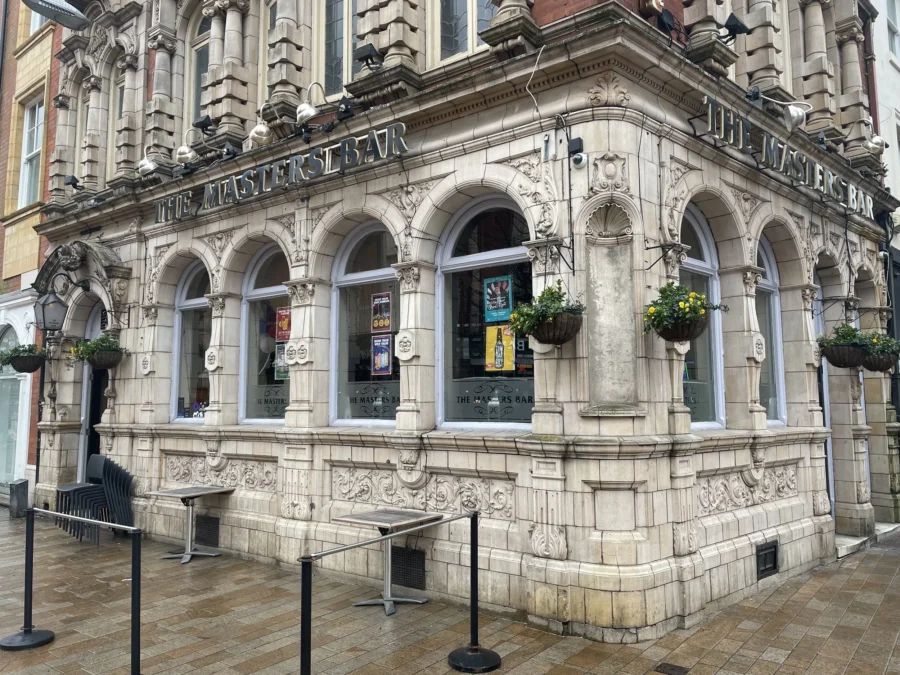

Kingston upon Hull does not behave like a neat weekend-break city. It does not meet visitors with a single famous square, a royal palace, or a postcard street arranged for easy praise. Hull asks for a slower look. It sits on the Humber with a working-city face, shaped by trade, fishing, war damage, docks, abolitionist history, theatre, public art, and stubborn local humour.
The best way to visit Hull is on foot. Start in the Old Town, drift towards the Museums Quarter, cut across to Queen Victoria Square, then follow the pull of water down to the Marina and The Deep. The city centre is compact enough for a two-day trip, but it has enough corners to reward a longer stay. A short visit can include free museums, a major aquarium, historic pubs, a gallery with serious art, independent cafés, market food, theatre, and a waterfront evening without needing taxis every hour.
Hull suits travellers who enjoy places with texture. Some streets feel grand. Some feel battered. Some feel freshly rebuilt. That mix is the point. Hull has old brick, wide skies, salty wind, pub windows, fishing memories, student life, and a cultural confidence that does not need to shout.
A strong Hull trip works best when it avoids rushing. The city is not only a list of attractions. It is a place for walking between them, noticing painted shutters, old warehouses, arcade shopfronts, marina ropes, church stone, and the sudden curve of the River Hull. Come for the museums and The Deep, but leave time for lunch at Trinity Market, a drink near the Minster, and a slow hour around Humber Street.
1. Start in the Old Town, Where Hull Tells You What It Is
Hull’s Old Town gives the city its first proper shape. It is not polished into a museum set. It still feels like a place that has been used, repaired, bombed, rebuilt, argued over, and loved. Its cobbled streets, narrow lanes, old pubs, and brick warehouses make it the right first stop for anyone trying to understand the city.
Begin at Hull Minster. The building stands large and calm beside Trinity Square, with enough space around it to let you pause before walking deeper into the city. The square works well as a meeting point, especially if you are travelling with people who move at different speeds. Some may want coffee. Some may want photographs. Some may want to sit and watch the city start its day.
Hull Minster also places you close to places where the city’s history feels immediate rather than decorative. From here, wander towards Hepworth Arcade, one of Hull’s most attractive covered shopping spaces. It has independent shops, small details in the ironwork, and the sort of atmosphere that rewards looking up rather than walking through with your phone in your hand.
A walk through the Old Town should include High Street. This is where Hull’s old merchant life becomes easier to read. The buildings speak of trade, river traffic, offices, warehouses, and money moving through the port. The street also leads naturally towards the Museums Quarter, which makes it useful for visitors who want a route rather than a loose set of pins on a map.
The Old Town pubs deserve time, even if you do not drink much. Ye Olde White Harte is one of Hull’s best-known historic pubs, often linked with local stories about the English Civil War. Whether you go for the history, the beer, or the room itself, it offers a strong sense of the city’s old social life. The Lion & Key is another good Old Town stop, with a ceiling covered in beer mats and a menu that suits a relaxed lunch or early evening meal.
The George Hotel is worth a look for one of Hull’s small curiosities: the tiny window often described as England’s smallest window. It is the kind of detail that makes Hull enjoyable. The city has major institutions, but it also has odd local stories that people remember more clearly than official slogans.
A good Old Town walk should not be too tidy. Turn into lanes. Look at signs. Follow the Seven Seas Fish Trail if you enjoy small discoveries underfoot. The trail places fish-shaped artworks into the pavement across the city centre, turning an ordinary walk into a quiet game. It also fits Hull perfectly. A port city should have fish hidden in the streets.
The Old Town works because it does not reduce Hull to one story. It brings together maritime work, politics, pub culture, religious architecture, markets, and small shops. It is a better opening chapter than a hotel lobby or a shopping centre. It puts the city under your shoes.
2. Use the Museums Quarter as the City’s Memory Room
Hull’s Museums Quarter sits close enough to the Old Town to make culture feel easy. You do not need a long bus ride or a full-day plan. You can step from cobbled streets into transport history, ancient remains, and one of Britain’s most important abolitionist stories within a short walk.
Streetlife Museum of Transport is one of Hull’s most accessible visitor stops. It is especially good for families, but adults without children should not dismiss it. The museum uses trams, old vehicles, bicycles, shopfronts, and street scenes to show how people moved through daily life. It gives history wheels, noise, and surfaces. That makes it easier to connect with than a room full of labels.
Hull and East Riding Museum brings a much deeper timeline into the trip. It covers local history over a vast period, including prehistoric material, Roman artefacts, and regional life across centuries. This is useful because Hull can easily be seen only as a maritime city, but the museum places it inside a wider East Yorkshire story. The city did not appear from nowhere when the docks mattered. It grew out of land, river, settlement, trade, and long human movement.
Wilberforce House adds a more serious note. The museum stands in the birthplace of William Wilberforce, the Hull-born campaigner associated with the abolition of the British slave trade. A visit here should not be treated as a quick tick-box stop. The subject demands attention. The museum deals with slavery, abolition, resistance, and legacy, and it gives Hull a direct place in a global moral and political history.
The strength of the Museums Quarter is its range. You can move from a vintage tram to ancient objects to a difficult history of human exploitation and reform. That shift keeps the visit from becoming flat. Hull is not presented as only quaint, only industrial, or only cultural. It becomes layered.
The free-entry nature of many Hull museums also matters for travellers on a budget. A rainy morning does not need to become an expensive indoor panic. You can spend several hours moving through museums, then step back into the Old Town for lunch or coffee without losing the day.
A practical route is simple. Start with the Streetlife Museum if you want an easy opening. Move to Hull and East Riding Museum for the deeper historical frame. Finish with Wilberforce House when you have enough attention to give it properly. After that, do not rush straight to the next attraction. Walk back towards the Minster or Trinity Market and let the morning settle.
The Museums Quarter is not just a cluster of buildings. It is the part of Hull that explains why the city carries itself the way it does. It has pride, but not the soft kind. It has memory with edges.
3. Follow the Water to The Deep, the Marina, and the Humber
Hull makes more sense when you walk towards the water. The city’s history is tied to rivers, docks, fishing, ferries, cargo, and the wide mouth of the Humber. Even today, the pull of water changes the rhythm of a visit. Streets open. Wind picks up. Buildings lower their shoulders. The sky feels bigger.
The Deep is the major waterfront attraction and one of the easiest places to recommend, especially for first-time visitors. Its angular building sits near the meeting point of the River Hull and the Humber, giving it a strong position before you even step inside. The attraction focuses on marine life, ocean habitats, conservation, and large aquarium displays. It works for families, couples, solo travellers, and anyone who wants a break from streets and museums.
Book The Deep ahead during weekends, school holidays, and bank holidays. It is one of Hull’s headline attractions, so arriving casually at a busy time can waste part of the day. A morning visit usually works best. You can spend proper time inside, then step out for a waterfront walk instead of trying to fit it in at the end of a long afternoon.
After The Deep, walk towards Hull Marina. This part of the city gives a different version of Hull. The mood becomes more open and social. Boats sit beside old dock edges. Warehouses and newer venues share space. You can stop for coffee, lunch, or a drink without leaving the waterside.
The Marina also connects well with the Fruit Market area. This former commercial area has become one of Hull’s better zones for food, drink, galleries, and independent businesses. It still has enough dockside character to avoid feeling like a generic leisure quarter. That balance is important. The area feels renewed, but not erased.
The Spurn Lightship adds another maritime stop nearby. Its bright red presence makes it easy to spot, and it gives visitors another link to the Humber’s working and navigational past. Even if you only view it from outside, it belongs in a waterfront walk because it reinforces Hull’s relationship with dangerous water, trade routes, and practical seamanship.
A strong afternoon route starts at The Deep, follows the river and dock edges, pauses at the Marina, then moves towards Humber Street. This route gives the day a clear arc. You begin with the ocean indoors, then meet Hull’s own water outside. The walk also keeps you away from the mistake many visitors make in UK cities: treating attractions as isolated boxes rather than connected places.
The Humber can look grey, silver, brown, or blue depending on the hour and weather. Do not expect Mediterranean softness. That would miss the point. Hull’s waterfront has a tougher beauty. It is windy, broad, and unsentimental. It suits the city.
4. See the Art, Then Find the Art That Is Not Framed
Hull’s art scene works because it does not sit in one building. Ferens Art Gallery gives the city a formal cultural anchor, but much of Hull’s creative energy appears in streets, theatres, independent spaces, murals, shopfronts, music venues, and the Fruit Market.
Start with Ferens Art Gallery on Queen Victoria Square. It is central, free to enter, and serious enough to deserve time rather than a quick glance. The collection includes European paintings, portraiture, sculpture, and changing exhibitions. The building also places you near other central landmarks, making it easy to combine with lunch, shopping, or a walk towards the Old Town.
Ferens is useful because it shows Hull’s cultural ambition without forcing visitors into a full museum day. You can spend forty-five minutes or two hours, depending on your interest. If you are travelling with someone less drawn to galleries, the location makes compromise easy. One person can look at paintings while another gets coffee nearby.
Humber Street Gallery offers a different kind of art stop. It belongs to the Fruit Market’s more contemporary mood, with exhibitions and creative programming that feel closer to the city’s current voice. Pair it with a slow walk along Humber Street rather than treating it as a standalone destination. The surrounding area has cafés, bars, restaurants, small businesses, and public art, so the gallery becomes part of a wider cultural loop.
Hull Truck Theatre and Hull New Theatre add evening options. Checking listings before arrival is worthwhile. A theatre night can change the feel of a city break, especially in a place like Hull where culture is tied closely to local identity. Hull Truck has a strong reputation for new writing and regional voice, while Hull New Theatre brings touring productions, musicals, comedy, ballet, and other larger shows.
Public art also deserves space in the trip. Hull gained national attention during its UK City of Culture year in 2017, but its creative life did not begin or end there. Look for murals, temporary installations, independent events, and small gallery notices. The city rewards visitors who read posters and follow side streets.
Art in Hull often feels connected to work, water, memory, and local speech. That gives it a different tone from art districts built mainly for weekend spending. The best approach is to mix one formal venue with one informal wander. Visit Ferens, then walk. See Humber Street Gallery, then stay for a drink. Check a theatre listing, then build your evening around it.
The city does not need to be described as an “art destination” in a lazy way. It is more specific than that. Hull is a city where art often appears beside docks, pubs, market stalls, old warehouses, and civic buildings. That placement gives it grit and usefulness.
5. Eat Through the City, From Market Counters to Marina Tables
Hull’s food scene makes most sense when you eat across different settings. Do not plan every meal around formal restaurants. Use the market, the Old Town, cafés, bakeries, fish places, and the waterfront. The pleasure comes from variety.
Trinity Market is a good first food stop. It sits close to Hull Minster and the Old Town, which makes it easy to fold into a morning route. The market has casual food traders, coffee, snacks, and a relaxed pace. It is useful when travelling with a group because people can choose different things without turning lunch into a debate. It also suits visitors who want to eat well without spending restaurant money at every stop.
For coffee and a simple meal, the Fruit Market and Humber Street area work well. Thieving Harry’s is often mentioned by visitors for brunch, coffee, and casual food near the Marina. It fits the area’s mood: unfussy, social, and well placed for a waterfront day. Sit long enough to plan the next part of the walk, but not so long that you lose the afternoon.
Fish belongs in a Hull article. The city’s fishing past was not decorative. It shaped families, work, risk, money, grief, and identity. Eating fish here feels connected to the place, even when the restaurant is modern. Humber Fish Co is one option near the Marina for travellers who want seafood in a more polished setting. For something simpler, look for fish and chips and eat without ceremony.
The Old Town is better for pub meals and traditional settings. The Lion & Key can work for lunch or dinner if you want a lively pub interior and a central location. Ye Olde White Harte is stronger as a historic drink stop, but it also reminds visitors that food and drink in Hull often come with stories attached.
For a more planned dinner, the Marina area gives visitors several choices. 1884 Dock Street Kitchen has been associated with a more formal waterside meal, while nearby restaurants and bars offer easier options. Check current opening times and book ahead at weekends. Hull is not London, but popular places still fill when events, theatre nights, or sunny evenings bring people out.
Cocoa Chocolatier gives the city a sweeter stop. A good travel day often needs one small indulgence that is not a full meal. Chocolate, coffee, or a pastry can do more for morale than another landmark. This is especially true in Hull, where weather can turn quickly and a warm indoor pause can rescue the rhythm of the day.
Hearth is another name worth checking for bread, baked goods, or a slower café stop, depending on current hours. A bakery visit also shows a different side of a city from dinner. It catches local life at a quieter scale: people buying bread, workers taking breaks, friends meeting before errands.
Food in Hull should not be oversold with empty praise. It is not about pretending every meal will change your life. The city’s food appeal lies in honest variety: market lunch, marina seafood, Old Town pubs, strong coffee, bakeries, and places where the furniture, lighting, and restaurant table tops have the marks of real use rather than staged perfection.
Plan one proper dinner, one market meal, one pub stop, and one coffee or bakery break. That pattern gives a short trip enough flavour without turning the article, or the visit, into a restaurant checklist.
6. Drink Where the City Has a Voice
Hull’s drinking culture is one of the best ways to feel the city after dark. The right route depends on mood. Some visitors want old pubs with low ceilings and stories. Some want marina views. Some want cocktails. Some want live music. Hull can handle all of those without spreading the evening too far.
Start in the Old Town if you want character. Ye Olde White Harte gives the evening a historic beginning. It is the kind of pub where the room matters as much as the drink. You can talk about the building, the city, the day’s walk, or nothing at all. That is the point of a good old pub. It holds conversation without demanding performance.
The Lion & Key offers a more energetic Old Town option. Its beer-mat ceiling gives it immediate visual identity, and its location makes it easy to include before or after dinner. It works well when you want food and drink in the same place, especially if the weather has made a long search unappealing.
Move towards the Marina for a different mood. The Minerva is one of Hull’s best-placed pubs, close to the water and full of local association. A drink here feels tied to the river and the Humber. On a clear evening, the area around the Marina can stretch a simple pint into a longer pause.
Humber Street and the Fruit Market suit visitors who want a later evening with more movement. Bars, restaurants, galleries, and event spaces sit close together, so you can change venues without crossing the city. This is useful for a mixed group. One person may want cocktails, another may prefer beer, another may want a quiet corner. The area gives you room to adjust.
Scale and Feather Bar is one example to look for if cocktails are part of the plan. Social is worth checking for live music and events. As with any city, listings and opening hours change, so check before building a night around one venue. Hull rewards planning, but it does not require a military schedule.
A good drinking route should avoid overloading the night. Three stops are enough: one Old Town pub, one marina drink, and one Fruit Market or live music venue. More than that turns the city into a blur, and Hull deserves sharper attention.
Drinkers should also remember the wind. A waterside evening can feel colder than expected, even after a mild day. Bring a proper jacket if you plan to move between the Marina and Humber Street. This is practical advice, not a charming travel cliché. The Humber does not care about your outfit.
Hull’s pubs and bars show the city’s social range. You can drink under old beams, beside dock water, near gallery spaces, or close to a theatre crowd. That mix gives the evening texture. It also keeps the trip from becoming only educational. After museums and galleries, a good pub gives the city back its noise.
7. A Two-Day Hull Plan That Leaves Room to Breathe
A strong two-day Hull trip should be planned by area, not by attraction count. The city centre is walkable, but too many stops can still flatten the visit. Give each part of Hull enough time to show its character.
Day one should begin in the Old Town. Start at Hull Minster, then move through Trinity Square, Hepworth Arcade, and High Street. Use the morning for the Museums Quarter. Visit Streetlife Museum of Transport first if you want an easy start, then Hull and East Riding Museum, then Wilberforce House if you have the focus for a more serious subject.
Lunch at Trinity Market keeps the day simple. It saves time, gives choice, and keeps you close to the Old Town. After lunch, walk towards Queen Victoria Square for Ferens Art Gallery. Spend enough time there to slow the pace. Do not treat it as a corridor with paintings.
Late afternoon can be loose. Look for the Seven Seas Fish Trail, return to the Old Town, or take a rest at your hotel. For dinner, choose between an Old Town pub meal and a more planned restaurant near the Marina. End with Ye Olde White Harte, The Lion & Key, or another pub that suits your pace.
Day two should belong to the water. Book The Deep for the morning, especially in busy periods. After the visit, walk towards the Marina and take your time. Look at the boats, the dock edges, and the way the city changes as you move from old streets to open water.
Lunch near the Marina or Humber Street keeps the route clean. Thieving Harry’s can work for a casual stop, while seafood places near the water suit travellers who want a stronger link to Hull’s maritime identity. After lunch, visit Humber Street Gallery if exhibitions are open, then wander the Fruit Market.
Use the second evening for theatre or drinks. Check Hull Truck Theatre and Hull New Theatre before the trip. If there is a performance that interests you, build dinner around it. If not, stay around the Marina and Fruit Market for drinks, then finish with a slow walk back through the centre.
Where you stay changes the feel of the trip. A hotel near Paragon Interchange suits travellers arriving by train and those who want easy access to shops, buses, and central streets. A stay near the Marina or Fruit Market suits visitors who care more about evening food, drinks, and atmosphere. A city-centre apartment can work well for families or small groups who want space and breakfast at their own pace.
Hull is also a useful base for nearby trips if you have more time. Beverley is close and offers a different East Yorkshire mood, with its minister, market town streets, and racecourse association. The Humber Bridge area can also be added for views and a broader sense of the estuary. Still, first-time visitors should not rush out too quickly. Hull itself deserves two full days before becoming a base for somewhere else.
Pack for changeable weather. Hull can give you sun, wind, drizzle, and bright skies on the same day. Comfortable shoes matter more than smart ones. A waterproof jacket is more useful than an umbrella on a windy waterfront. Keep some indoor options ready, especially Ferens, the Museums Quarter, The Deep, cafés, and pubs.
The best Hull visit leaves space between stops. Sit in Trinity Square. Take longer at the Marina. Read a museum label properly. Choose one pub because the room feels right. Follow a street because it bends interestingly. Hull is not a city that needs dressing up. Its value sits in the join between history, water, art, food, drink, and ordinary civic life.
A traveller who comes only to “do” Hull may miss it. A traveller who walks, eats, looks, listens, and gives the city a fair day or two will find something harder to package: a British port city with scars, jokes, ambition, memory, and a waterfront that changes colour while you are deciding where to have your next drink.