

Executive Summary
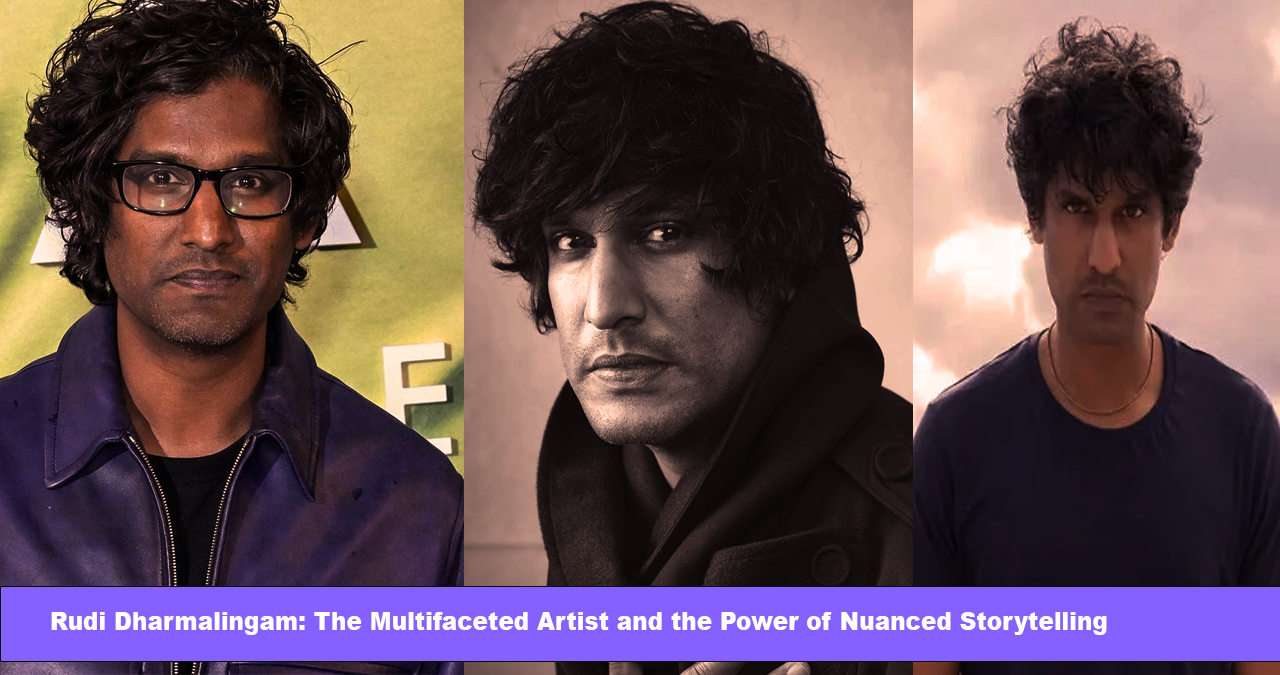
Rudi Dharmalingam is a stage and screen actor whose work exemplifies a profound commitment to psychological depth and narrative truth. This article explores his artistic journey, from his theatrical foundations to his compelling screen performances, examining the techniques and philosophies that define his craft. We will analyze how his approach represents a broader shift in performance toward authenticity, the strategic choices that have shaped his career, and the valuable lessons his work offers for understanding contemporary acting. By dissecting his method, we uncover not just the trajectory of a singular talent, but a masterclass in the power of subtle, human-centered storytelling.
Introduction
In a landscape of entertainment often dominated by bombast and overt spectacle, the work of actor Rudi Dharmalingam stands as a testament to the enduring power of quiet intensity and meticulous craft. His presence, whether on the storied boards of the National Theatre or in the intimate frame of a television drama, is consistently marked by a captivating authenticity that feels both rare and deeply resonant. To witness a performance by Rudi Dharmalingam is to observe a master of interiority, an actor who understands that the most powerful human emotions are often communicated in the slight tremor of a hand, the weighted pause between lines, or the complex silence of a held gaze. This article delves beyond the filmography to explore the artistic DNA of Rudi Dharmalingam, positioning his career as a compelling case study in how sustained excellence in classical theatre training seamlessly translates to commanding authority in modern screen roles. We will unpack the disciplines that inform his process, celebrate his most defining performances, and extract the broader principles that make his contribution to the acting community so significant.
The Foundation: Classical Training and Theatrical Mastery
Long before his face became familiar on screen, Rudi Dharmalingam was honing his craft within the demanding, immediate world of theatre. His formative years and professional training provided an indispensable foundation in text analysis, vocal projection, and physical embodiment—skills that remain the bedrock of his screen work. This period was not merely about learning lines but about internalizing a holistic approach to character, where every gesture and inflection is informed by a deep understanding of narrative context and human psychology.
His notable tenure with companies like the Royal Shakespeare Company and the National Theatre served as a rigorous proving ground. In these venues, performing classic works night after night, an actor develops a unique stamina and a nuanced relationship with live audience energy. For Rudi Dharmalingam, roles in productions from Shakespearean canon to contemporary plays cultivated an ability to locate the timeless human core within any text. This theatrical discipline instills a precision of intention that cuts through the noise, a quality that translates powerfully to the more intimate medium of camera work, where the smallest truthful moment can eclipse the grandest gesture.
Key Takeaway: Rudi Dharmalingam’s authoritative screen presence is directly rooted in the rigorous discipline, textual depth, and live-performance resilience developed during his extensive classical theatre training.
Defining a Screen Presence: Nuance as a Signature Technique
Transitioning from stage to screen requires a recalibration of energy, and Rudi Dharmalingam has mastered this art. His screen technique is characterized by a profound economy of expression, where what is unspoken often carries the greatest narrative weight. This approach aligns with evolving best practices in screen acting, which increasingly favor psychological realism and subtlety over melodramatic display. He possesses the ability to convey a character’s entire thought process through a subtle shift in focus, making the audience active participants in decoding his inner world.
This nuanced methodology is particularly effective in complex, morally ambiguous roles. Rather than telegraphing a character’s motivations, Rudi Dharmalingam allows them to reside in a place of authentic contradiction, making his performances feel unpredictably human. He excels at portraying intelligent, often introspective individuals grappling with internal conflict or ethical dilemmas. His skill lies in making intellectual struggle viscerally apparent, connecting the character’s mental calculus to a palpable physical and emotional reality. This creates a magnetic pull for the viewer, who is drawn into the character’s reality not by shouting, but by shared, silent understanding.
Key Takeaway: Dharmalingam’s screen signature is a masterful use of subtext and restrained expression, making him a paragon of psychological realism who engages audiences through compelling interiority rather than externalized dramatics.
Breaking Down a Defining Performance: Character as Case Study
To understand the practical application of his craft, a close analysis of a specific role is invaluable. Take, for instance, his performance in the critically acclaimed series The Last Post. Here, Rudi Dharmalingam portrayed a character navigating intense political tension and personal peril. A performance of this caliber serves as an ideal case study for actors and enthusiasts seeking to understand how to build a layered character under pressure.
From his first appearance, Dharmalingam established a commanding yet contained presence. His character’s intelligence and strategic mind were communicated through measured speech and observant eyes, while the ever-present undercurrent of danger manifested in a consistently alert physicality—a slight tension in the shoulders, a cautious surveying of environments. In key scenes where dialogue was sparse, his performance was carried by reactive listening and subtle facial expressions that conveyed rapid risk assessment and deep concern. This role demonstrated his exceptional ability to balance a character’s public persona with a rich, private inner life, making every moment feel dense with unvoiced history and immediate stakes.
Key Takeaway: A deep dive into a specific Dharmalingam performance reveals a technical blueprint for building believable, high-stakes characters through precise physicality, reactive listening, and the powerful articulation of subtext.
The Actor’s Process: An Inquiry into Method and Preparation
While Rudi Dharmalingam is not publicly associated with a single, branded “method,” his work suggests a synthetic and deeply researched personal process. Industry insights indicate a preparation style that likely begins with intensive textual and contextual research, aiming to understand not just his character’s lines, but their worldview, history, and motivations within the story’s specific social and political ecosystem. This foundational work allows him to move beyond imitation into embodiment.
His process appears to integrate physical and psychological elements seamlessly. For a role requiring a specific skill set or physicality, one can infer a period of dedicated practical training. More crucially, his performances suggest a deep imaginative work where he defines the character’s objectives, conflicts, and relationships with granular detail. This preparation empowers the spontaneity and authenticity required for the collaborative, moment-to-moment nature of filming. As a fellow performer once noted in an industry discussion, “The most prepared actors are often the most free on set,” a principle that clearly resonates in Dharmalingam’s ability to deliver consistent, yet fresh and responsive takes.
Key Takeaway: Rudi Dharmalingam’s consistent depth of performance points to a rigorous, personalized preparation process that prioritizes deep research and psychological grounding to enable authentic, spontaneous embodiment during filming.
Navigating the Industry: Strategic Choices and Career Architecture
The career trajectory of Rudi Dharmalingam reflects a strategic mindfulness that complements his artistic talent. In an industry prone to typecasting, he has demonstrated a deliberate pattern of selecting varied and challenging roles across theatre, television, and film. This strategic diversification is a modern best practice for sustaining a long-term career, allowing an actor to demonstrate range, avoid creative stagnation, and build a respected filmography based on quality rather than mere quantity.
His choices often gravitate toward projects with strong, director-driven narratives and complex character studies, whether in indie films, prestige television, or innovative stage productions. This selectivity indicates a focus on artistic integrity and collaborative potential over purely commercial appeal. By strategically alternating between large-scale productions and more intimate projects, he maintains a profile that is both prominent and respected for its substantive choices. This approach to career architecture—valuing narrative strength and directorial vision—builds a reputation for reliability and intelligence that attracts similarly minded creators.
Key Takeaway: Dharmalingam’s career path illustrates a strategic model of selective diversification, prioritizing narrative quality and character complexity to build sustainable artistic credibility and avoid creative typecasting.
The Voice and The Body: Instruments of Expression
A critical, yet sometimes overlooked, aspect of Rudi Dharmalingam’s toolkit is his masterful use of vocal and physical expression. His voice is a versatile instrument, capable of conveying a vast emotional spectrum through modulation, pace, and timbre rather than volume. He can deliver dialogue with a compelling, almost musical rhythm, using pauses with the potency of words themselves. This vocal control, undoubtedly refined on stage, allows him to capture attention in whispered confessionals as effectively as in moments of heightened tension.
Physically, he employs a calibrated economy of movement. His posture, gait, and gestures are always character-specific and psychologically informed. Whether conveying the weariness of a burdened mind through a slumped spine or the alert tension of a man in danger through a still, ready stance, his physical choices are never generic. He understands that the body does not lie, and by meticulously crafting his character’s physical reality, he communicates volumes of backstory and immediate circumstance without exposition. This holistic mind-body connection is a hallmark of advanced acting craft.
Key Takeaway: Dharmalingam’s performances are a masterclass in integrated expression, where deliberate vocal technique and psychologically informed physicality work in concert to create fully embodied, authentically believable characters.
Collaboration and Ensemble: The Actor in Context
No actor works in a vacuum, and the quality of Rudi Dharmalingam’s performances is often magnified by his evident strength as an ensemble player. The finest actors understand that their work exists in relation to others, and Dharmalingam excels in scenes of dynamic interaction. His capacity for reactive listening—truly hearing and processing in real-time—lifts the performances of those around him, creating a more authentic and compelling scene ecology.
This collaborative spirit is crucial in both theatre and film. On stage, it creates the live, unpredictable energy that thrills an audience. On screen, it allows for the magic of unscripted moments to emerge within a take. Directors and fellow actors likely value his professionalism and generative presence on set—an actor who is prepared, present, and adaptable. His focus seems to be on serving the story rather than solely his individual moment, a mentality that fosters trust and enables directors to capture complex, multi-layered interactions with greater ease. This reputation for being a reliable and enhancing collaborator is a significant, though often unsung, component of a successful acting career.
Key Takeaway: Beyond individual talent, Rudi Dharmalingam’s strength as a responsive and generous ensemble collaborator fundamentally enhances the authenticity and impact of every production he joins.
The Evolution of a Craft: From Tradition to Contemporary Practice
The career of Rudi Dharmalingam sits at a fascinating intersection of traditional acting values and contemporary performance demands. He represents a bridge between the classical emphasis on text, voice, and live presence and the modern screen need for microscopic authenticity and naturalism. This synthesis is increasingly the hallmark of today’s most respected actors, who can move fluidly between mediums without sacrificing the core integrity of their craft.
His evolution mirrors broader trends in storytelling, where audiences now gravitate toward characters of profound complexity and moral ambiguity. The heroic archetype has given way to the nuanced human, a shift that plays directly to Dharmalingam’s strengths. Furthermore, the globalized nature of content consumption means his work, often in British and international co-productions, reaches a diverse audience hungry for stories that feel specific yet universally human. In this landscape, an actor with his skills—rooted in tradition but executed with modern subtlety—is perfectly positioned.
Key Takeaway: Dharmalingam embodies the successful evolution of acting craft, synthesizing classical discipline with the demands of modern screen naturalism to meet contemporary audiences’ appetite for nuanced, psychologically complex characters.
Beyond Acting: Cultural Impact and Representation
The work of an actor like Rudi Dharmalingam carries significance that extends beyond performance technique into the realms of cultural representation and narrative inclusion. By consistently portraying complex, fully realized individuals whose identity is integral yet not solely defining, he contributes to a richer, more normalized on-screen landscape. His roles often sidestep reductive stereotypes, presenting characters for whom cultural background is one facet of a multidimensional human being.
This subtle yet powerful form of representation matters deeply. It expands the palette of stories told and the range of human experience deemed worthy of central narrative focus. For aspiring actors from diverse backgrounds, seeing Rudi Dharmalingam excel in high-caliber, varied roles provides a tangible reference point for possibility. His career quietly advocates for a industry where casting is based on formidable skill and fitting the character’s truth, thereby pushing creative boundaries and fostering a more inclusive storytelling ecosystem.
Key Takeaway: Through his choice of complex roles, Dharmalingam’s career positively impacts cultural representation, normalizing multifaceted identities on screen and expanding the narrative possibilities for actors and audiences alike.
A Glossary of Craft: Key Terms in the Dharmalingam Approach
To fully appreciate the work of an artist like Rudi Dharmalingam, it helps to understand the specific vocabulary of advanced acting craft. These terms are not theoretical jargon but the practical tools of the trade.
- Subtext: The unspoken, underlying thoughts, motives, and emotions that exist beneath the literal lines of dialogue. Dharmalingam is a master of subtext, allowing the audience to perceive what a character is truly thinking or feeling even when they are saying something else.
- Objective: A character’s immediate, scene-specific goal or want (what they are fighting for). Every nuanced choice Dharmalingam makes is typically in active pursuit of a clear character objective.
- Reactive Listening: The practice of genuinely processing a scene partner’s words and actions in real-time, allowing one’s reactions to be spontaneous and truthful. This is central to his authentic ensemble work.
- Economy of Expression: The principle of using the minimal, most precise gesture, expression, or vocal shift to convey maximum meaning—a defining feature of his screen technique.
Key Takeaway: Understanding core acting concepts like subtext, objective, and reactive listening provides a clearer lens through which to analyze and appreciate the technical mastery behind Rudi Dharmalingam’s seemingly effortless performances.
Common Misconceptions About Advanced Acting
In discussing an actor of this caliber, it’s useful to address common misconceptions. One prevalent myth is that great screen acting is largely instinctual or about “being yourself.” While intuition plays a role, the consistency and depth seen in Rudi Dharmalingam’s work are the result of disciplined technique and meticulous preparation. The “moment of truth” on camera is almost always underpinned by hours of unseen craft.
Another misconception is that theatre acting is simply “bigger” than screen acting. In reality, as Dharmalingam’s career demonstrates, the core skills are transferable but recalibrated. Theatrical training provides the engine of breath support, vocal strength, and full-body character work. For the screen, this engine is tuned to a finer frequency—the thought becomes as visible as the action. The actor isn’t doing less; they are doing the same rigorous work, but filtered through a lens of intimate realism. His career dismantles the false hierarchy between stage and screen, showing them as complementary disciplines within a unified craft.
Key Takeaway: Dharmalingam’s career disproves the myths that powerful acting is merely instinctual or that stage and screen craft are disparate, demonstrating instead that profound screen realism is achieved through adapted, disciplined technique.
The Director’s Perspective: Valuing a Prepared Artist
From a directorial standpoint, an actor like Rudi Dharmalingam represents an ideal collaborator. Directors, especially when working under tight schedules, rely on actors who arrive profoundly prepared. This means having not only memorized lines but having deeply investigated the character’s psychology, relationships, and function within the narrative. This level of preparation allows for efficient, high-quality shooting and opens the door for productive on-set exploration.
A director can trust that Dharmalingam’s choices are informed and intentional. This trust enables a more dynamic collaboration where the director can work on shaping the macro narrative and visual tone, confident that the micro-level human behavior is in expert hands. As one director might express in an industry context, “When you work with an actor of that calibre, your job often becomes about creating the right environment for their truth to emerge, then capturing it. The heavy lifting of character creation is already done, which allows us to play and discover finer details together.” This symbiotic relationship is crucial for creating great work.
Key Takeaway: For directors, an actor of Dharmalingam’s preparation and intelligence is a creative multiplier, enabling a more nuanced, efficient, and collaborative filmmaking process focused on elevating the story.
Comparative Analysis: Stylistic Approaches in Modern Acting
To contextualize Rudi Dharmalingam’s artistry, it is insightful to consider it within a spectrum of contemporary performance styles. The table below contrasts his nuanced, interior-focused approach with other valid and prevalent stylistic modes. This is not about ranking, but about understanding different tools for different narrative purposes.
| Performance Style | Defining Characteristics | Typical Project Fit | Example (Theoretical) |
|---|---|---|---|
| Nuanced Interiority (Dharmalingam’s domain) | Psychological realism, subtext-heavy, economical expression, reactive listening. Powered by deep preparation. | Character dramas, psychological thrillers, literary adaptations, period pieces. | A diplomat in a tense political thriller, where every glance carries hidden agendas. |
| Charismatic Transformation | Physical and vocal transformation is paramount. Actor’s persona often submerged. | Biopics, roles requiring distinct accent/physicality, portrayals of famous figures. | A historical figure known for distinctive vocal and physical traits. |
| Dynamic Physicality | Storytelling driven through movement, fight choreography, or dance. Body as primary narrative instrument. | Action films, dance movies, physical theatre, superhero genres. | A role requiring expert stage combat or intricate, character-revealing movement. |
| Improvisational Naturalism | Heavily reliant on improvisation, seeking spontaneous, “found” moments. Often uses contemporary, colloquial dialogue. | Modern comedies, gritty indie dramas, mockumentary formats. | A role in a low-budget, contemporary film about friends, with loose scripting. |
Key Takeaway: Dharmalingam’s style of nuanced interiority represents one powerful axis in a diverse ecosystem of acting approaches, each optimally suited to different genres and directorial visions.
The Future Trajectory: Predictions and Potential
Given the consistent quality and strategic acumen he has shown, the future trajectory for Rudi Dharmalingam is poised for continued elevation. Industry trends suggest a growing appetite for the kind of internationally appealing, intelligently crafted drama in which he excels. We can anticipate seeing him in increasingly central roles within premium television series and auteur-driven films, perhaps expanding into more international co-productions.
Potential directions could include roles that leverage his capacity for quiet authority, such as a lead in a slow-burn espionage series or a complex antagonist in a sophisticated drama. There is also strong potential for him to transition into directorial work, as many actors of his analytical depth and collaborative nature eventually do. Furthermore, his authoritative presence makes him a compelling candidate for voice work in high-end audio dramas or narrating documentary series. Regardless of the specific project, the constant will be a continued commitment to substance and narrative integrity.
Key Takeaway: Rudi Dharmalingam’s future likely holds leading roles in prestige narratives and potential expansion into directing, guided by the same principles of intelligence, integrity, and nuanced craft that define his current work.
An Actionable Checklist for Aspiring Actors
For those inspired by the craft of Rudi Dharmalingam, here is a distilled checklist of principles to integrate into your own practice:
- Invest in Foundation: Prioritize training that emphasizes text analysis, voice, and movement. Consider classical theatre as a gym for your core acting muscles.
- Master the Subtext: In every scene, define what your character is really thinking and wanting beneath the words. Let that inform your eyes, your pauses, your energy.
- Prepare, Then Play: Do the deep research and psychological homework so thoroughly that you can be spontaneous and free within the confines of the scene.
- Listen Reactively: Practice truly hearing your scene partner. Let their performance affect you in real-time. Your most powerful tool is often your silence and your reaction.
- Embrace Economy: Especially for screen, practice doing less. Trust that a subtle, truthful internal process will read powerfully to the camera.
- Choose Strategically: Select roles that challenge you and demonstrate range. Build a career on interesting choices, not just available ones.
- Serve the Story: Approach every project as a collaborative ensemble member. Your job is to fulfill the narrative’s needs, not just to shine individually.
Conclusion
The artistic journey of Rudi Dharmalingam offers far more than a catalogue of performances; it provides a compelling roadmap for meaningful artistic achievement. His career underscores that enduring impact in acting is not born from fleeting celebrity but from a steadfast dedication to the bedrock principles of the craft: rigorous preparation, psychological truth, and collaborative generosity. By mastering the interior world of his characters and expressing it with calibrated subtlety, he fulfills the highest calling of the actor—to reflect the profound complexity of the human experience back to the audience. As storytelling continues to evolve toward greater nuance and authenticity, the Rudi Dharmalingam approach stands as a relevant and vital model. His work reminds us that in a world of noise, the quietest truth, skillfully rendered, often resonates the loudest and longest.
Frequently Asked Questions (FAQ)
What is Rudi Dharmalingam best known for?
Rudi Dharmalingam is best known for his nuanced performances in prestigious theatre, television, and film. He has garnered significant recognition for his roles in productions like the BBC’s The Last Post, Netflix’s The One, and stage work at the National Theatre and Royal Shakespeare Company, where his skill in portraying complex, psychologically rich characters shines.
How did Rudi Dharmalingam train as an actor?
Rudi Dharmalingam trained with a strong foundation in classical theatre, a path that typically involves intensive study of dramatic literature, voice projection, physical movement, and text analysis. This traditional training, often at a leading drama school, provided the disciplined framework that supports his sophisticated and authentic screen and stage work.
What type of roles does Rudi Dharmalingam typically play?
Rudi Dharmalingam often gravitates toward intelligent, introspective, and morally complex roles. He excels at portraying characters in high-stakes dramatic situations—diplomats, professionals, individuals in crisis—where internal conflict and strategic thinking are paramount. His performances avoid stereotype, focusing instead on layered humanity.
Why is Rudi Dharmalingam’s acting style so effective on screen?
Rudi Dharmalingam’s acting style is highly effective on screen because it is built on psychological realism and economical expression. He conveys vast meaning through subtle facial cues, vocal modulation, and reactive listening, making his performances feel intimate and deeply authentic. This nuanced approach aligns perfectly with the camera’s ability to capture minute detail.
Where can I see Rudi Dharmalingam’s work?
You can see Rudi Dharmalingam’s work across various platforms. His theatre credits are listed with major UK theatres. His screen work is available on streaming services like Netflix, BBC iPlayer, and others, featuring in series such as The Last Post, The One, The Capture, and in various film productions.
Best Possible SEO Title:
Rudi Dharmalingam: Mastering Nuanced Acting for Stage and Screen
Meta Description (159 chars):
Explore the craft of actor Rudi Dharmalingam. Discover his technique, career strategy, and impact on modern nuanced performance in our definitive guide.