
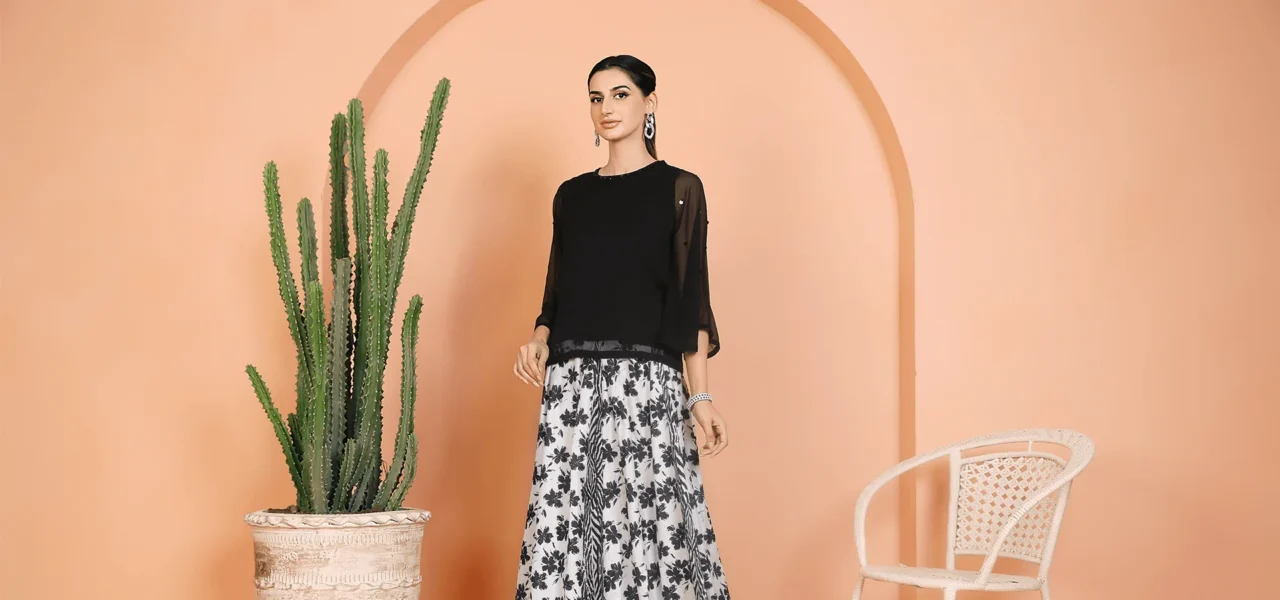

Fashion has always evolved alongside changing lifestyles, climates, and consumer preferences. In eastern fashion especially, clothing is deeply connected to culture, elegance, and craftsmanship. While traditional outfits were once heavily focused on formal structure and elaborate detailing, modern fashion has shifted significantly toward comfort driven elegance. One of the biggest reasons behind this transformation is the growing importance of lightweight fabrics.
Today, women no longer want outfits that appear luxurious but feel difficult to wear for long hours. Modern eastern fashion now focuses on creating clothing that feels breathable, versatile, and graceful while still maintaining sophistication. Lightweight fabrics have become central to this evolution because they successfully combine comfort with refined aesthetics.
The Shift Toward Comfort Focused Fashion
Modern lifestyles have changed dramatically over the years. Women today often balance professional work, family responsibilities, social events, travel, and personal commitments all at once. Fashion now needs to support movement and practicality rather than focusing only on appearance.
Consumers increasingly prioritize:
- Breathable clothing
- Easy movement
- Comfortable tailoring
- Lightweight layering
- Versatile styling
- Long hour wearability
This shift has encouraged designers to rethink traditional eastern wear and move toward fabrics that feel softer and lighter without losing elegance.
The popularity of luxury lawn collection trends reflects how modern consumers now associate lightweight fabrics with sophistication instead of simplicity.
Climate Strongly Influenced Fabric Choices
Weather conditions have always influenced eastern fashion, particularly in South Asian regions where summers can become extremely hot and humid. Heavy fabrics and thick layering often feel impractical for daily wear and long gatherings during warmer seasons.
As a result, lightweight fabrics became increasingly popular because they provide:
- Better airflow
- Greater comfort
- Easier movement
- Reduced heat retention
- Softer draping
- Improved wearability
Fashion brands recognized that women wanted outfits capable of maintaining elegance without creating discomfort throughout the day.
This demand significantly influenced the development of modern seasonal collections focused on breathable luxury.
Lawn Fabric Redefined Summer Fashion
One of the most important developments within Pakistani fashion was the rise of lawn fabric as a premium seasonal category. Earlier, lawn was mainly viewed as simple everyday wear, but designers gradually transformed it into a highly fashionable and luxurious summer fabric.
Modern lawn collections now feature:
- Designer digital prints
- Fine cotton blends
- Delicate embroidery
- Elegant dupattas
- Contemporary silhouettes
- Premium tailoring
Luxury lawn collections became especially popular because they offered women a balance between sophistication and practicality.
Women could now wear beautifully designed eastern outfits during summer without relying on heavy fabrics or uncomfortable layering.
Lightweight Fabrics Support Modern Silhouettes
Contemporary eastern fashion increasingly embraces relaxed and fluid silhouettes that naturally work better with lighter materials. Heavy fabrics often limit movement and structure flexibility, while lightweight materials allow softer draping and more graceful flow.
Modern silhouettes frequently include:
- Long flowing kurtas
- Straight cut shirts
- Kaftan inspired styles
- Co ord sets
- Wide leg trousers
- Layered silhouettes
- Front open designs
These cuts feel more comfortable and visually balanced when created using breathable and lightweight fabrics.
The combination of relaxed tailoring and soft fabric movement has become one of the defining characteristics of modern eastern fashion.
Minimal Fashion Trends Increased Fabric Importance
As fashion moved toward minimalism and understated elegance, fabric quality became even more important. Earlier heavily embellished designs often relied on decoration to create visual impact. Contemporary fashion, however, increasingly depends on silhouette, tailoring, and fabric texture to achieve sophistication.
Modern eastern fashion now focuses more on:
- Fine fabric finishing
- Soft movement
- Subtle embroidery
- Elegant draping
- Lightweight layering
- Clean tailoring
Because embellishment is often more balanced today, the fabric itself becomes a major part of the outfit’s luxury appeal.
High quality lightweight fabrics create elegance naturally without requiring excessive decoration.
Social Media Changed Consumer Preferences
Digital platforms have significantly influenced modern fashion expectations. Consumers are constantly exposed to fashion campaigns, influencer styling, and designer collections through social media platforms such as Instagram and Pinterest.
This visual exposure has encouraged stronger demand for:
- Effortless styling
- Natural movement
- Airy silhouettes
- Minimal elegance
- Comfortable luxury
- Everyday sophistication
Lightweight fabrics photograph beautifully because they flow naturally and create graceful movement within fashion photography and videos.
As social media continues shaping fashion aesthetics, breathable and fluid fabrics remain highly desirable.
Formal Fashion Also Became Lighter
Lightweight fabrics are no longer limited to casual wear. Even formal eastern fashion has shifted toward softer and more wearable materials.
Modern formal collections now often use:
- Organza
- Chiffon
- Lightweight net
- Fine silk blends
- Soft velvet accents
- Tissue fabrics
These materials allow formal outfits to maintain elegance while feeling less restrictive than traditional heavily layered clothing.
Women today increasingly prefer formal outfits that allow comfort during long wedding events and celebrations instead of excessively heavy garments.
Versatility Increased the Demand for Lightweight Clothing
Modern consumers value clothing that can transition across multiple occasions. Lightweight eastern outfits are easier to style differently and often feel suitable for:
- Casual gatherings
- Office wear
- Dinner events
- Festive occasions
- Travel
- Daytime celebrations
This versatility adds practical value to wardrobes while supporting more thoughtful fashion purchasing decisions.
Women increasingly invest in clothing that feels adaptable rather than highly occasion specific.
Fusion Fashion Encouraged Softer Fabrics
Fusion wear has also contributed heavily to the rise of lightweight fabrics. As traditional and western styling continue blending together, softer materials help create balanced silhouettes suitable for modern styling combinations.
Popular fusion fashion trends include:
- Eastern tops with jeans
- Structured layering
- Minimal co ord sets
- Relaxed tailoring
- Contemporary modest fashion
Lightweight fabrics allow these combinations to feel modern, effortless, and comfortable.
This adaptability has helped eastern fashion appeal to wider and younger audiences globally.
Sustainability Is Influencing Fabric Preferences
Consumers are gradually becoming more aware of long term wardrobe value and sustainable fashion habits. Lightweight fabrics often support:
- Repeat wear
- Seasonal versatility
- Easy maintenance
- Timeless styling
- Comfortable longevity
Women increasingly seek clothing that remains wearable across different seasons and occasions instead of highly trend dependent fashion pieces.
Minimal luxury and practical elegance are becoming stronger priorities within modern fashion culture.
Pakistani Designers Continue Leading Seasonal Innovation
Pakistani designers have played a major role in elevating lightweight fabrics into luxury fashion categories. Seasonal lawn collections, breathable formal wear, and contemporary pret lines consistently demonstrate how soft fabrics can still appear sophisticated and premium.
Designers continue experimenting with:
- Fabric blends
- Digital printing
- Delicate embroidery
- Contemporary cuts
- Layered textures
- Minimal craftsmanship
This innovation keeps eastern fashion evolving while preserving the cultural beauty and artistry that define it.
Why Lightweight Fabrics Will Remain Essential
The growing focus on comfort, versatility, and modern elegance ensures that lightweight fabrics will continue remaining essential within eastern fashion.
Women today expect fashion to provide:
- Sophistication
- Comfort
- Practicality
- Flexibility
- Timeless wearability
Lightweight materials successfully support all of these expectations while still allowing eastern fashion to remain visually graceful and culturally rich.
As lifestyles continue evolving, fashion will likely move even further toward effortless luxury and breathable sophistication.
Final Thoughts
Lightweight fabrics have transformed modern eastern fashion by making elegance feel more comfortable, versatile, and wearable. What was once associated mainly with casual clothing has now become central to luxury pret, formal wear, and contemporary seasonal collections.
Modern consumers increasingly value clothing that supports their lifestyle while still reflecting refinement and individuality. Breathable fabrics, relaxed silhouettes, and minimal elegance have become defining features of today’s eastern fashion landscape.