

Understanding the Meaning of Nativität
The term “Nativität” originates from the Latin word nativitas, which simply means “birth.” In a religious and cultural context, however, it has taken on a much deeper significance. Today, Nativität is most commonly associated with the birth of Jesus Christ and is closely linked to the celebration of Christmas. While the word itself may seem straightforward, its implications stretch across theology, art, literature, and centuries of tradition.
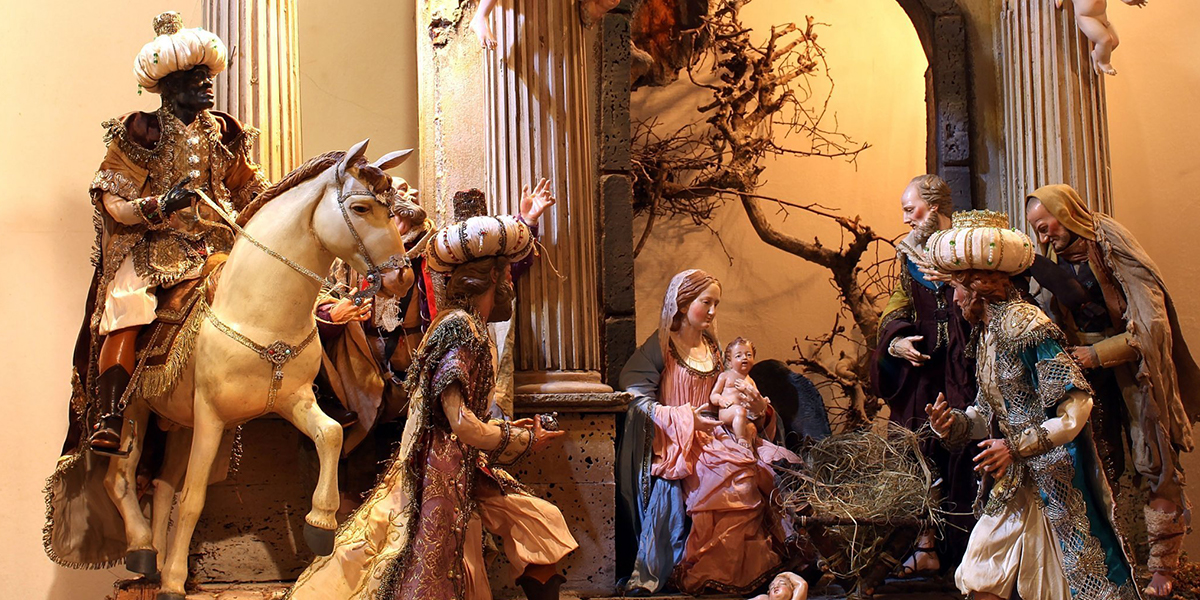
When people refer to the Nativität, they are often talking about the Nativity story found in the Christian Bible, particularly in the Gospels of Matthew and Luke. This story recounts the humble birth of Jesus in a manger, surrounded by figures such as Mary, Joseph, shepherds, and later the Magi. It is not just a narrative—it’s a foundational moment in Christian belief, symbolizing hope, humility, and divine intervention in human history.
Interestingly, the concept of Nativität is not limited to religious belief alone. It has evolved into a cultural and artistic motif that transcends faith boundaries. Even in secular societies, the imagery and themes of the Nativity are recognized and appreciated. Whether in paintings, sculptures, or festive decorations, the essence of Nativität continues to resonate widely.
From a linguistic perspective, “Nativität” is commonly used in German-speaking regions, but its meaning aligns with the English word “Nativity.” Despite the language difference, the emotional and symbolic weight remains the same. It represents not only a birth but a moment of transformation and new beginnings, which is why it continues to hold relevance in modern discussions.
The Biblical Narrative Behind Nativität
At the heart of Nativität lies a powerful story rooted in Christian scripture. According to the Gospel accounts, Mary and Joseph traveled to Bethlehem for a census. Finding no room at the inn, they took shelter in a stable, where Mary gave birth to Jesus. This humble setting has become one of the most iconic elements of the Nativity story, emphasizing themes of simplicity and modesty.
The narrative continues with the appearance of angels announcing the birth to shepherds, who then visit the newborn child. Later, wise men—often referred to as the Magi—arrive bearing gifts of gold, frankincense, and myrrh. Each element of this story carries symbolic meaning. The gifts, for example, are often interpreted as representing kingship, divinity, and sacrifice.
While the story may seem straightforward, it has been the subject of extensive theological interpretation over centuries. Scholars and religious leaders have debated the historical accuracy, symbolism, and deeper meanings embedded in the narrative. Despite these discussions, the core message remains consistent: the birth of Jesus represents hope and salvation for humanity.
Another important aspect of the Nativität story is its emphasis on inclusion. The presence of shepherds—who were considered lowly in society—highlights the idea that this event was meant for all people, regardless of status. This universal message is one reason why the story has endured and continues to inspire people across cultures and generations.
Symbolism and Deeper Meaning of Nativität
Beyond the literal story, Nativität is rich in symbolism. Every element, from the manger to the star, carries layers of meaning that have been explored by theologians, artists, and scholars alike. The humble setting of the birth, for instance, is often interpreted as a statement about the nature of true greatness—suggesting that it lies in humility rather than power or wealth.
The star of Bethlehem is another key symbol. It is often seen as a guiding light, representing divine guidance and hope. For many, it serves as a metaphor for finding direction in times of uncertainty. Similarly, the gifts brought by the Magi are not just material offerings but symbolic gestures acknowledging the significance of the child.
Mary and Joseph also play crucial symbolic roles. Mary is often viewed as a symbol of faith and obedience, while Joseph represents protection and quiet strength. Together, they embody values that are central to the Nativity story and continue to be celebrated in religious teachings.
Even the animals commonly depicted in Nativity scenes—such as oxen and donkeys—add to the symbolism. They are often interpreted as representations of peace and the natural world acknowledging the significance of the event. These layers of meaning contribute to the enduring richness of the Nativität narrative, making it more than just a story—it becomes a source of reflection and inspiration.
Nativität in Art and Literature
The influence of Nativität on art and literature is immense. From medieval times to the modern era, artists have been captivated by the imagery and themes of the Nativity. Some of the most famous paintings in history depict this scene, each offering a unique interpretation while staying true to the core elements of the story.
During the Renaissance, artists like Leonardo da Vinci and Sandro Botticelli created works that emphasized both the human and divine aspects of the Nativity. These paintings often feature intricate details, dramatic lighting, and emotional depth, inviting viewers to engage with the story on multiple levels.
In literature, the Nativity has inspired countless poems, plays, and narratives. From traditional Christmas carols to modern reinterpretations, the story continues to be retold in ways that reflect the values and concerns of different eras. Writers often use the Nativity as a framework to explore themes such as hope, redemption, and the human condition.
The adaptability of the Nativität theme is one of its greatest strengths. It can be presented in a highly traditional form or reimagined in contemporary settings, making it accessible to diverse audiences. This versatility ensures that it remains relevant, even as cultural contexts evolve.
Cultural Traditions and Celebrations
Nativität plays a central role in Christmas traditions around the world. In many countries, Nativity scenes—also known as crèches—are a common feature in homes, churches, and public spaces. These displays often include figurines representing the key figures of the Nativity story and serve as a visual reminder of its significance.
In Germany and other European countries, the tradition of setting up a Nativity scene is deeply rooted. Known as “Krippe,” these displays can range from simple arrangements to elaborate artistic creations. They often become focal points during the Christmas season, bringing families and communities together.
Live Nativity performances are another popular tradition. These reenactments allow people to experience the story in a dynamic and engaging way. Participants dress as biblical characters, and the event often includes music and narration, creating a memorable experience for audiences.
Even in regions where Christianity is not the dominant religion, elements of the Nativity story can still be found in holiday celebrations. This widespread presence highlights the universal appeal of its themes, which go beyond religious boundaries to touch on shared human values.
The Modern Relevance of Nativität
In today’s fast-paced world, the concept of Nativität continues to hold significant relevance. While the original story is rooted in ancient history, its themes—such as hope, humility, and new beginnings—are timeless. Many people find comfort in these ideas, especially during challenging times.
Modern interpretations of the Nativity often focus on its social and ethical implications. For example, the story’s emphasis on caring for the marginalized resonates strongly in contemporary discussions about social justice. It serves as a reminder of the importance of compassion and inclusivity.
Technology and media have also played a role in keeping the Nativität story alive. From films and television programs to digital art and online storytelling, new platforms have made it easier to share and reinterpret the narrative. This has allowed it to reach a broader audience than ever before.
At the same time, there is an ongoing effort to preserve traditional representations of the Nativity. Many communities strive to maintain the authenticity of their cultural practices, ensuring that the original essence of the story is not lost amid modern adaptations.
Conclusion: Why Nativität Still Matters
Nativität is far more than a historical or religious concept—it is a powerful symbol that continues to inspire and unite people across the world. Its story, rooted in simplicity and humility, carries a message that remains relevant regardless of time or place. Whether viewed through a religious, cultural, or artistic lens, it offers insights into the human experience and the values that define it.