
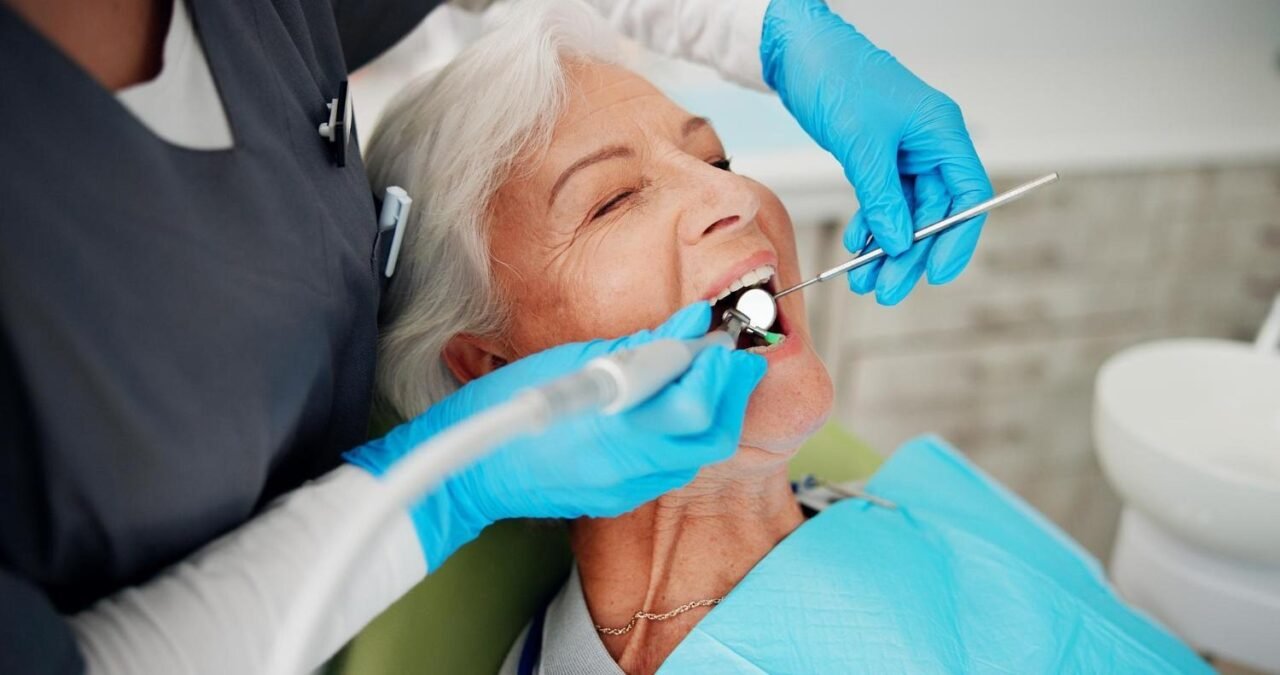

Try to register with an NHS dentist in Manchester right now and you will likely hit the same wall most people do: books closed, waiting lists that stretch past a year or a receptionist telling you the practice simply is not taking new patients at all. This is not a fringe experience. Large parts of Greater Manchester now count among what dental campaigners have called “dental deserts,” areas where NHS access has effectively collapsed.
For someone with a missing tooth, that is not an abstract policy problem. It is the difference between getting it sorted this year or not at all. Which is a big part of why dental implants in Manchester provide privately have gone from a niche cosmetic choice to, for a lot of people, the only workable route left.
The Access Problem
The NHS dental contract in England has been criticised for years for making it financially unattractive for practices to take on new NHS patients, particularly for anything beyond basic check-ups and extractions. The result is a shrinking pool of NHS-registered dentists relative to demand, and Manchester has felt this as sharply as anywhere.
A patient who loses a tooth under this system faces a genuinely awkward choice: wait indefinitely for NHS treatment that may never materialise or pay privately for dental implants in Manchester you can schedule within weeks.
Why Implants Specifically And Not Just A Denture
When a tooth is lost, the jawbone beneath it starts to shrink without a root there to keep stimulating it. Dentures sit on top of the gum and do nothing to stop that. Bridges rely on neighbouring teeth being filed down to anchor a false tooth, which creates its own long-term problems for otherwise healthy teeth.
An implant is different because it replaces the root, not just the visible tooth. A small titanium post is placed into the jaw, left several months to properly fuse with the bone and then a crown is fitted on top. This is why dental implants in Manchester tend to recommend them over the alternatives for most suitable patients: they are the only option that actually protects the bone underneath, not just the appearance above the gum line.
Being Honest About The Process
The full process, from initial scan to a finished crown, runs three to six months, sometimes longer if bone grafting is needed first. That is a longer commitment than a lot of patients expect walking in. A dentist worth trusting will say this plainly at the first appointment rather than letting someone assume it is a quick fix.
Aftercare in the first year matters more than people think too. Regular check-ups in the months after placement let the dentist confirm the implant has settled properly and smoking or unmanaged gum disease can both affect how well that integration goes, which is worth discussing honestly rather than glossing over.
The Cost Conversation Nobody Enjoys Having
Private dental implants in Manchester that patients choose do come with a cost that NHS treatment, when it was available, would not have. That is a real barrier and pretending otherwise helps no one. Many practices, such as Whitefield Dental Practice on the edge of the city, now offer staged payment plans specifically because so many patients are arriving in this position: needing treatment, unable to get it on the NHS and trying to make a private route financially workable.
It is not a comfortable trade-off. Paying for something that should, in principle, be available through the NHS rarely feels good. But for a missing tooth that is not going to fix itself, it is the only realistic option on the table.
Final Thoughts
The growing interest in dental implants in Manchester, clinics provide is really a symptom of a bigger, harder problem: NHS dentistry access that has quietly broken down in large parts of the region. Anyone facing this decision deserves a straight answer on cost, timeline and what happens if something goes wrong, rather than being sold a solution to a problem the system created in the first place.