
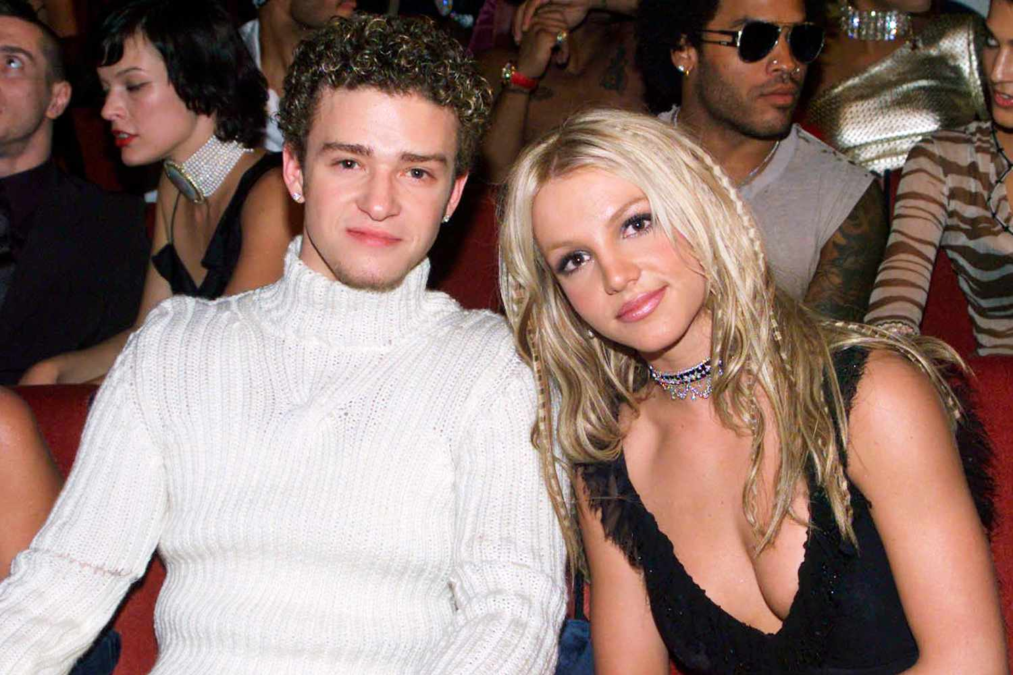

When people search for “Britney Spears young,” they are often looking for more than old photographs or nostalgic memories. The phrase brings up an entire chapter of pop culture history: a talented young performer from Louisiana who became one of the biggest stars in the world before she was even old enough to fully understand the scale of her own fame. Her early career was filled with record-breaking music, unforgettable performances, major media attention, and a level of public scrutiny that few young entertainers have experienced.
Britney Spears became famous during a period when pop music was changing rapidly. Music television was still enormously influential, magazines shaped celebrity culture, and the internet was beginning to transform how fans followed their favourite stars. Britney arrived at exactly the right moment to become a global phenomenon, but her journey was also complicated by the pressures that came with growing up in front of millions of people.
Looking back at Britney Spears young is therefore not simply a nostalgic trip into the late 1990s and early 2000s. It is also an opportunity to understand how her talent, ambition, image, and personal story combined to create one of the most recognisable careers in modern entertainment.
Britney Spears Young: Her Childhood and Early Years
Britney Jean Spears was born on December 2, 1981, in McComb, Mississippi, and grew up in Kentwood, Louisiana. From an early age, she showed a strong interest in performing. Singing, dancing, and entertaining were not just casual hobbies for her. They quickly became central to her ambitions and to the direction of her life.
As a child, Britney participated in local performances and developed her skills through dance and gymnastics. Her natural confidence on stage was noticeable, but so was her dedication. She was not simply a child who happened to enjoy being in the spotlight. She worked consistently to improve her performance abilities, and that determination would later become one of the defining characteristics of her career.
Her childhood also included an important connection to the world of entertainment. Britney auditioned for television opportunities at a young age, and her early experiences helped prepare her for the demanding environment she would eventually enter. Even before becoming internationally famous, she was already learning how auditions worked, how performers were evaluated, and how much discipline was required to succeed.
The Beginning of Britney Spears’ Entertainment Career
One of the most important steps in Britney’s early career came when she became part of The Mickey Mouse Club. The Disney Channel program featured a group of talented young performers and provided Britney with valuable experience in front of cameras and live audiences. She worked alongside other young entertainers who would also become famous, including Justin Timberlake and Christina Aguilera.
Being part of the show gave Britney an opportunity to develop beyond her hometown environment. She was exposed to professional choreography, television production, rehearsals, and the expectations of working in entertainment. These experiences were important because they helped her transition from a talented child performer into a more polished professional.
Although The Mickey Mouse Club ended before Britney became a major pop star, the experience remained an important part of her story. It showed that her success did not happen overnight. Years of performing, practising, auditioning, and developing her skills came before the world knew her name.
Britney Spears Young and the Release of “…Baby One More Time”
The defining moment in Britney Spears’ early career arrived in 1998 when she released her debut single, “…Baby One More Time.” The song quickly became a worldwide sensation and introduced a new generation of listeners to her distinctive pop style. Its catchy melody, memorable music video, and instantly recognisable visual identity helped turn Britney into a household name.
At the time, Britney was still a teenager, which made her rapid rise especially remarkable. She suddenly found herself performing on major television programs, appearing on magazine covers, and attracting enormous attention from fans and the media. Her debut album, …Baby One More Time, became a major commercial success and established her as one of the leading young pop stars of her generation.
The success of the song also demonstrated how powerful the combination of music, choreography, fashion, and music videos could be. Britney was not simply releasing songs. She was creating a complete pop identity that audiences could immediately recognise. Her youthful energy and carefully crafted performances helped distinguish her from many other artists competing for attention at the time.
The “Britney Spears Young” Image and Pop Culture
The phrase “Britney Spears young” is often connected with the visual style of the late 1990s and early 2000s. During this period, Britney’s appearance became closely associated with teenage pop culture. Her school-inspired outfits, stage costumes, music videos, and energetic choreography were widely discussed and frequently imitated.
However, her image was more complex than it may appear in hindsight. Britney was marketed as a young pop star, but she was also performing in an industry that expected a tremendous amount from its teenage performers. She had to balance youthful appeal with the demands of becoming a commercially successful adult entertainer.
This tension became increasingly visible as Britney grew older. The public had become accustomed to seeing her as a teenage sensation, yet she was naturally entering a new stage of life. Her career demonstrates how difficult it can be for young celebrities to evolve when audiences and media organizations become attached to a particular version of them.
Britney Spears’ Rise During the Early 2000s
Following the success of her debut, Britney continued building her career with remarkable speed. Her second studio album, Oops!… I Did It Again, was released in 2000 and became another major success. The title track became one of her signature songs, reinforcing her position as a leading figure in global pop music.
Britney’s early 2000s career was defined by constant activity. She released music, toured internationally, performed at major award shows, appeared in television specials, and became a regular subject of entertainment coverage. Her popularity was not limited to one country. She had developed a worldwide fan base that followed her every professional move.
At such a young age, she was already working at a pace that would be demanding for an established adult performer. The sheer volume of attention surrounding her meant that almost every aspect of her public life could become news. Her success was extraordinary, but it also came with pressures that would become increasingly important to discussions about her life and career.
Britney Spears’ Young Performances and Stage Presence
One reason Britney became such a major star was her ability to perform. From the beginning, she demonstrated a combination of vocal performance, choreography, confidence, and visual presentation that made her stand out. Her concerts were designed as full-scale entertainment experiences rather than simple singing performances.
Her dancing became an especially important part of her identity. Britney’s choreography was often energetic and carefully structured, allowing her to create memorable moments on stage and in music videos. She became known for performances that demanded physical stamina and intense preparation.
Looking back, it is easy to underestimate how difficult her early performances were because they have become part of pop culture history. Britney was often expected to sing, dance, travel, rehearse, appear at promotional events, and maintain a public image simultaneously. The young performer audiences saw on television was the result of an enormous amount of professional work behind the scenes.
The Media Attention Surrounding Britney Spears Young
Britney’s youth was both an important part of her appeal and a source of intense media attention. As she became more famous, journalists and photographers increasingly followed her personal life. Questions about relationships, friendships, appearance, clothing, and behaviour became regular topics in entertainment media.
The media environment of that era was very different from today’s social media landscape. Celebrity news was driven heavily by television programs, magazines, paparazzi photographs, and tabloid publications. A young celebrity could have very little control over how the public interpreted her life, particularly when sensational stories attracted large audiences.
Britney’s experience is now often discussed in the broader context of how young women in entertainment were treated during the late 1990s and early 2000s. The intense scrutiny she faced reflected a wider celebrity culture that frequently blurred the boundary between professional work and private life. Looking back, many people have questioned whether the media gave young stars enough privacy and respect.
Britney Spears’ Transition From Teen Star to Global Celebrity
As Britney moved beyond her teenage years, her career began to evolve. She was no longer simply the young singer who had arrived with “…Baby One More Time.” She was becoming an established entertainer with an enormous international audience and a growing catalogue of successful music.
This transition was significant because it required Britney to redefine herself publicly. Young performers often face the challenge of changing their image without alienating the fans who helped make them successful. Britney navigated this shift through new music, different fashion choices, more mature performances, and increasingly ambitious creative projects.
Her evolution also demonstrated the limitations of celebrity labels. The public may remember one particular version of a star, but real people continue to grow and change. Britney’s story shows how difficult it can be when a person becomes famous as a teenager and millions of people continue to associate them with the image they first saw.
Why People Still Search for Britney Spears Young
The continuing interest in Britney Spears young comes partly from nostalgia. For many fans, her early music is connected to childhood memories, school years, first concerts, or the excitement of discovering pop music. Songs from her early career remain familiar to audiences who grew up during that era and to younger listeners discovering them years later.
There is also a strong visual interest in her early career. Photographs and performances from the late 1990s and early 2000s capture a particular moment in fashion and entertainment history. Britney was one of the central figures of that period, so looking at her early years also provides a window into the culture of the time.
More importantly, people remain interested because Britney’s story represents a broader conversation about fame. Her journey raises questions about what happens when someone becomes globally famous at a very young age. Her career is a reminder that behind the public image of a celebrity is a real person whose life continues beyond the stage and the headlines.
Britney Spears’ Lasting Influence on Pop Music
Britney Spears’ influence on pop music is difficult to overstate. Her success helped define the sound and visual culture of mainstream pop at the turn of the millennium. She became part of a generation of performers who demonstrated that pop stars could be complete entertainment brands, combining music, dance, fashion, videos, and live performance.
Her influence can also be seen in the careers of later pop artists. Many performers who followed adopted elements of the highly choreographed, visually driven approach that became especially popular during Britney’s peak years. Her music videos and stage performances remain reference points for discussions about modern pop entertainment.
Britney’s catalogue also continues to attract listeners. Songs from her early career have remained part of popular culture, appearing in playlists, performances, television programs, and nostalgic discussions about the era. That enduring recognition says a great deal about the impact she made while she was still very young.
Looking Back at Britney Spears Young With a Modern Perspective
Today, discussions about Britney Spears’ early years are often more reflective than they were during the height of her fame. Instead of focusing only on the glamour of celebrity, many people now think more carefully about the pressures placed on young entertainers.
Britney’s early success was extraordinary, but it also came with responsibilities and expectations that would be difficult for almost anyone to manage. She entered an industry that demanded constant public visibility while she was still developing as a person. Her story encourages a more thoughtful conversation about how young celebrities should be supported and protected.
At the same time, it is important not to reduce Britney’s early career to the challenges she later faced. Her talent, hard work, and achievements deserve recognition in their own right. She became a global superstar because she connected with audiences through music and performance, and her influence continues to be felt decades after her debut.
Conclusion: The Enduring Story of Britney Spears Young
The story of Britney Spears young is ultimately a story about talent, ambition, fame, and growing up in public. From her childhood in Louisiana to her early television experiences and her explosive breakthrough with “…Baby One More Time,” Britney’s rise was remarkably fast and historically significant.
Her early years helped shape the identity of modern pop music. She became a defining figure of her generation, influencing music, fashion, choreography, and celebrity culture while building a career that reached audiences around the world. Yet her story also highlights the complicated reality of becoming famous at a young age.
When people look back at Britney Spears young today, they are not simply revisiting an old pop era. They are remembering a performer who had an enormous cultural impact while also considering the human cost of growing up under constant public attention. Her legacy remains powerful because her music continues to be remembered, her performances remain influential, and her journey has become part of a larger conversation about fame, privacy, and the treatment of young stars.