
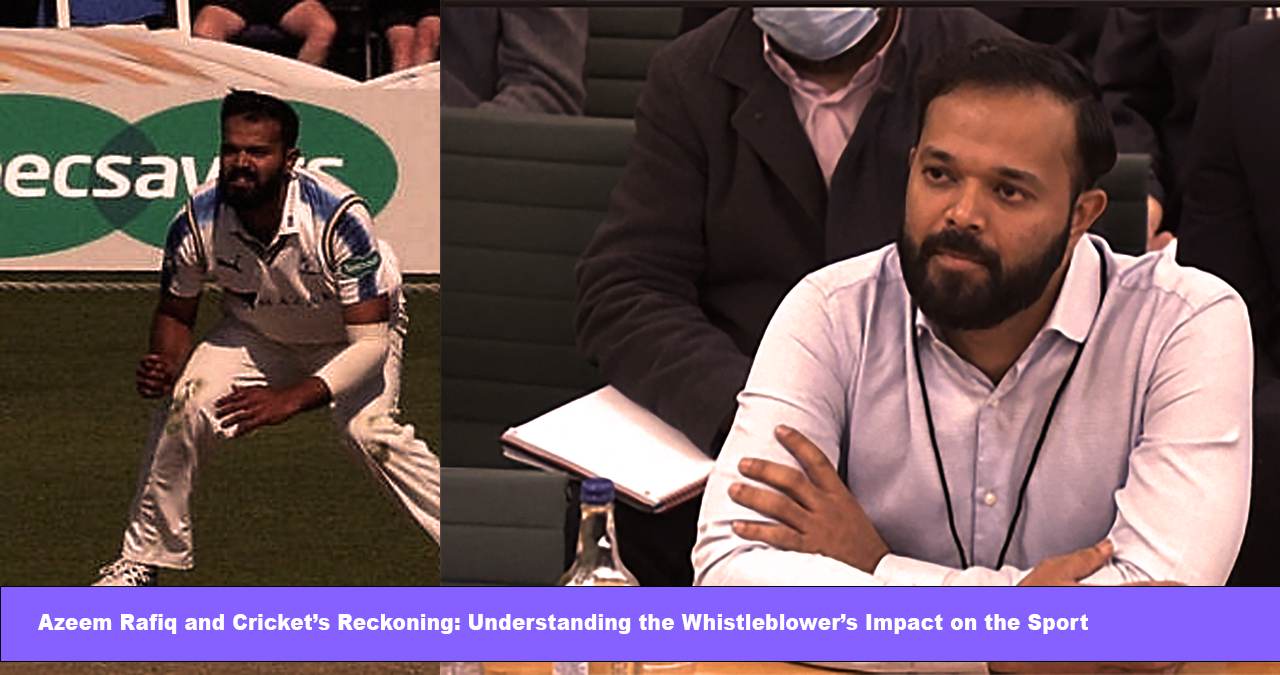

Azeem Rafiq and Cricket’s Reckoning: A Watershed Moment for the Sport
This comprehensive guide explains the pivotal story of Azeem Rafiq, the former cricketer whose public testimony about enduring racism at Yorkshire County Cricket Club triggered a profound crisis and a long-overdue conversation within the sport. This resource helps readers understand the full scope of the allegations, the institutional failures they revealed, and the tangible changes being demanded in cricket’s culture, governance, and equity practices. We will move beyond the headlines to explore the historical context, the personal and professional fallout, and the ongoing struggle for meaningful reform, providing a nuanced, authoritative account of a defining moment in modern sports history.
The Emergence of a Whistleblower: From Aspiring Cricketer to Reluctant Catalyst
The name Azeem Rafiq is now inextricably linked with a cultural earthquake in English cricket. However, his journey began with a story familiar to many young athletes: one of immense talent, dedication, and the dream of representing his country. Born in Pakistan, Rafiq moved to England as a child and quickly rose through the ranks, captaining England at youth level and being hailed as a future star. His professional career at Yorkshire County Cricket Club, one of the sport’s most storied institutions, seemed the perfect launchpad.
Yet, beneath the surface, a very different experience was unfolding. The reality for Rafiq, as he would later detail with devastating clarity, was one of isolation, othering, and persistent racial abuse. His career trajectory, hampered by inconsistent opportunities and a feeling of being an outsider, ultimately stalled. After leaving the game, the weight of his experiences and a desire to protect future generations compelled him to break his silence. His decision to speak out publicly transformed him from a former professional into a reluctant but determined whistleblower, setting in motion a chain of events that would challenge the very foundations of the sport.
This matters most when considering how institutional power operates; it often requires immense personal courage from within to expose systemic flaws, a burden that historically falls on those the system has failed. Rafiq’s path highlights a critical user problem: the emotional and professional toll on individuals who experience discrimination but see no clear, safe pathway for redress within their organization. The outcome of his choice was not just a personal catharsis but the ignition of a national scandal.
The core takeaway here is that Azeem Rafiq’s transition from a promising player to a central whistleblower underscores how personal trauma can collide with systemic failure, forcing a hidden crisis into the public eye.
Anatomy of a Crisis: The Allegations and the Yorkshire Scandal
The allegations brought forward by Azeem Rafiq were not merely anecdotal; they were specific, repeated, and painted a picture of a deeply toxic environment. In his testimony to a UK parliamentary select committee and in numerous interviews, Rafiq described a culture at Yorkshire CCC where racial slurs were used casually and routinely. He recounted being pressured to drink alcohol against his religious beliefs, being disparagingly referred to by a derogatory term for people of Pakistani origin, and witnessing a pervasive “us versus them” mentality where players of color were consistently othered.
The club’s initial internal investigation, which began in 2020, confirmed that Rafiq had been a victim of “racial harassment and bullying.” Astonishingly, however, the board initially voted not to take any disciplinary action against any individuals, employees, or executives. This response, seen as a catastrophic failure of moral and organizational leadership, became the second scandal. It revealed an institution more concerned with protecting its reputation and legacy than with delivering justice or compassion. The report’s findings were leaked to the media, leading to widespread public and political outrage, corporate sponsors fleeing, and the eventual removal of much of the club’s leadership.
From a practical perspective, this episode demonstrates a common organizational failure: commissioning an inquiry only to ignore or downplay its conclusions. This creates a deeper crisis of trust, showing stakeholders that the process was a performative exercise rather than a genuine search for truth. For users—fans, players, and sponsors—this double betrayal is key. It erodes faith not just in the individuals involved, but in the entire governance structure meant to uphold standards.
The core takeaway is that the Yorkshire scandal was a two-stage failure: first, the perpetration of the alleged abuse, and second, the institution’s defensive and dismissive response, which magnified the harm and revealed profound governance breakdowns.
Defining Institutional Racism in a Sporting Context
In the wake of Azeem Rafiq’s revelations, the term “institutional racism” moved from academic and social discourse to the center of a heated sports debate. But what does it concretely mean within the context of a county cricket club or a national sporting body? It extends beyond the overt, hateful acts of individuals to encompass the policies, procedures, and unconscious biases embedded within an organization’s culture that systematically disadvantage people from ethnic minorities.
In practice, this can manifest in numerous ways: a lack of diverse representation in coaching and administrative positions; talent identification programs that unconsciously favor players from traditional, often privileged, backgrounds; social rituals centered on alcohol that exclude those of certain faiths; or a dismissive attitude toward complaints about discrimination, viewing them as a nuisance rather than a serious breach of ethics. It is a system where the cumulative effect of these seemingly minor or “cultural” norms creates a significant barrier to entry, progression, and well-being for non-white participants. The Azeem Rafiq case presented a textbook example, where alleged verbal abuse was compounded by a failure of the club’s processes to address it meaningfully.
This definition block is designed to stand alone for Featured Snippet eligibility:
Institutional racism in sports refers to the collective failure of a sporting organization to provide an appropriate and professional service to people because of their color, culture, or ethnic origin. It is evidenced in processes, attitudes, and behaviors which amount to discrimination through unwitting prejudice, ignorance, thoughtlessness, and racist stereotyping, leading to unequal outcomes for minority ethnic participants and staff.
The core takeaway is that institutional racism is not merely about individual prejudice, but about embedded systems and cultural norms that create and perpetuate inequality, making it a far more challenging problem to root out than isolated incidents.
The Ripple Effect: Investigations, Reckonings, and the Sport-Wide Implosion
The fallout from Azeem Rafiq’s testimony did not remain confined to Yorkshire. It acted like a seismic event, sending shockwaves through the entire edifice of English cricket. The England and Wales Cricket Board (ECB) launched its own independent commission, the Cricket Discipline Commission (CDC), to investigate allegations at both Yorkshire and more broadly. Crucially, Rafiq’s courage empowered dozens of other players from various counties to come forward with their own stories of discrimination, suggesting the problem was endemic, not isolated.
The sport faced a moment of intense public scrutiny and commercial peril. Parliamentary hearings grilled cricket’s most senior administrators. Long-standing broadcast and sponsorship partners publicly questioned their associations. The media narrative shifted from celebrating on-field performance to interrogating the sport’s moral health. Internally, clubs rushed to implement new equality training and review their policies, but these actions were often viewed as reactive and panicked rather than transformative.
This period highlighted a critical user problem for organizations in crisis: the difference between performative action and genuine structural reform. Changing logos for a month or mandating a one-hour training module is a tactical response to public pressure. Addressing deep-seated cultural issues requires a strategic, long-term commitment to changing hiring practices, leadership pathways, grievance procedures, and performance metrics. The Azeem Rafiq saga forced every organization in cricket to ask itself which path it was on.
Jack Draper: The Rise of a British Powerhouse – A Deep Dive into His Game, Mindset, and Potential
The core takeaway is that a single whistleblower’s testimony can catalyze a sector-wide crisis, exposing systemic issues that demand not just individual accountability, but a complete overhaul of governance, culture, and commercial relationships.
Personal and Professional Repercussions: The Cost of Speaking Truth to Power
While the systemic issues rightfully dominate the discussion, the human cost for Azeem Rafiq himself cannot be overstated. Whistleblowing, especially on such a public stage against powerful institutions, is rarely a path to personal peace or prosperity in the short term. Rafiq described the immense psychological toll of reliving his trauma in front of the world, facing character assassination from certain quarters, and dealing with ongoing legal and procedural battles. His personal life and mental health were severely impacted.
Professionally, his relationship with the sport he loved became irrevocably fractured. While some hailed him as a hero and a vital agent for change, others within the cricket establishment viewed him as a pariah, a troublemaker who had damaged the game. This alienation is a common, devastating outcome for whistleblowers. Their act of public service often comes at the price of their own career within the affected industry. For users and observers, this presents a stark dilemma: how does society protect and support those who take immense personal risks to expose wrongdoing? The Azeem Rafiq case shows that without robust legal protections and a cultural shift that valorizes ethical courage, future whistleblowers may be deterred.
A real-world, case-style insight can be seen in the out-of-court settlements and non-disclosure agreements that often follow such disputes. While providing some financial compensation, they can also silence the victim and allow the institution to avoid full public accountability, potentially enabling the problematic culture to persist. Rafiq’s refusal to be fully silenced, despite settlements, was a significant factor in keeping the story in the public consciousness.
The core takeaway is that the personal fallout for whistleblowers like Azeem Rafiq is profound and multi-dimensional, encompassing mental health struggles, professional exile, and public vilification, underscoring the steep price of accountability.
The Governance Failure: A Table of Systemic Shortcomings
The response of cricket’s authorities to the escalating crisis revealed specific, recurring failures in governance. The table below structures these shortcomings, contrasting the typical defensive institutional response with the principles of effective, ethical crisis management.
| Governance Failure Area | Manifestation in the Cricket Crisis | Principle of Effective Crisis Response |
|---|---|---|
| Initial Complaint Handling | Delayed, internalized, and perceived as protecting the institution’s reputation over seeking truth. | Immediate, transparent, and led by an independent third party to ensure complainant safety and impartiality. |
| Communication & Transparency | Opaque processes, legalistic language, withholding of report details, leading to media leaks and speculation. | Proactive, clear, regular public updates that acknowledge gravity, demonstrate empathy, and outline the investigation process. |
| Accountability & Consequence | Initial reluctance to sanction individuals; perception of “circular” accountability where boards investigate themselves. | Clear, timely disciplinary actions against individuals found culpable, regardless of seniority, to demonstrate justice is blind. |
| Stakeholder Management | Alienating sponsors, fans, and players by appearing dismissive; failing to engage meaningfully with affected communities. | Proactive engagement with all stakeholders—sponsors, fans, player unions, community groups—to listen, apologize, and co-create solutions. |
| Long-Term Reform Vision | Reactive policy changes (e.g., mandatory training) without addressing power structures, recruitment, or cultural metrics. | A published, long-term action plan with measurable goals, diverse oversight committees, and funding for sustainable cultural change. |
This structured view helps move from vague accusations of “failure” to a precise understanding of where and how the system broke down. It provides a diagnostic tool for any organization assessing its own vulnerability to a similar crisis.
The core takeaway is that governance failures in crises are predictable and often revolve around defensiveness, opacity, and a lack of genuine accountability, whereas effective responses prioritize independence, transparency, and stakeholder inclusion.
The Path to Reform: Actionable Steps for Cultural Change in Sports
Beyond the crisis management phase lies the harder, longer-term work of genuine reform. The Azeem Rafiq case has provided a painful but clear roadmap for what needs to change in cricket and sports organizations globally. This is not about quick fixes but about embedding equity into the DNA of an institution.
Strategically, this must start at the top. Boards and leadership teams must become truly diverse, not just in tokenistic terms, but with individuals from varied backgrounds who have real authority and a mandate to challenge the status quo. Recruitment and talent development pipelines for coaches, scouts, and administrators must be actively broadened, moving beyond traditional networks. Practically, this means implementing “blind” auditions for pathways, setting and publishing diversity targets for leadership roles, and creating mentorship programs for underrepresented groups.
From a cultural standpoint, organizations must move from “tolerance” to active inclusion. This involves auditing all aspects of club life—from social events and dietary provisions to language used in locker rooms and how historical figures are celebrated—through an inclusivity lens. Grievance procedures must be overhauled to be truly independent, safe, and accessible, with guarantees against retaliation. As one senior sports administrator noted in a reflection on the scandal, “The lesson is that culture is not an add-on. It is the operating system of your organization. If it’s corrupted by bias, no amount of star talent or commercial success will prevent a eventual, catastrophic system failure.”
The core takeaway is that sustainable reform requires a dual-track approach: strategic changes to governance and recruitment to redistribute power, coupled with deep, practical work to build a culture of active inclusion and safety for all.
The Broader Cultural Conversation: Cricket, Class, and Empire
To fully comprehend the environment that allowed the alleged abuse experienced by Azeem Rafiq to fester, one must situate English cricket within its broader historical and social context. Cricket is not just a game in England; it is a vessel of history, class, and imperial identity. For generations, it has been intertwined with notions of Englishness, gentlemanly conduct, and the legacy of the British Empire.
This history creates a complex social dynamic. The sport was exported by the empire, becoming passionately adopted in the Caribbean, South Asia, and Africa. Yet, within England, its traditional heartlands were often private schools and county clubs that were overwhelmingly white and socially elite. The post-war arrival of immigrants from cricket-loving nations created a new cohort of passionate players and fans, but they often entered a sporting culture that was unconsciously designed to exclude them from its core hierarchies. The tension between cricket as a symbol of a monolithic, historical England and cricket as a vibrant, multicultural modern game is at the root of many of its cultural struggles.
Addressing this requires acknowledging uncomfortable truths about the sport’s past and present. It means re-examining which stories are told, which statues stand, and how the narrative of cricket is shaped. Are the contributions of Black and South Asian players given equal historical weight? Does the commentary and media coverage perpetuate stereotypes? The Azeem Rafiq affair forced this broader conversation, moving the discussion from individual incidents to a critical examination of the sport’s soul.
The core takeaway is that the racism allegations in cricket cannot be divorced from the sport’s historical role as a symbol of empire and class, requiring an honest reckoning with its past to reshape its future identity.
Media, Narrative, and the Court of Public Opinion
The role of the media in the Azeem Rafiq story was instrumental in shaping its trajectory and impact. Initially, his allegations were a sports story. However, through determined investigative journalism and Rafiq’s own compelling media appearances, it escalated into a major national story concerning social justice, corporate accountability, and political governance. The media served as a crucial amplifier, bypassing the traditional, closed channels of cricket administration and taking the story directly to the public.
This dynamic created a powerful “court of public opinion” that often moved faster and with more moral certainty than the official disciplinary processes. While this pressured institutions to act, it also introduced complexities. Narratives became simplified, and the debate sometimes became polarized. The media’s focus also evolved over time—from the initial shock of the allegations, to the scandal of Yorkshire’s response, to the broader examination of the sport, and eventually to questions about the personal conduct of some figures involved. For anyone navigating a public crisis, understanding this media narrative lifecycle is essential.
A key insight from hands-on communication management is that in the digital age, organizations cannot control a narrative, but they can contribute to it with honesty and speed. Silence or legalistic denial is interpreted as guilt or indifference. The cricket authorities learned this painfully; their delayed, opaque communications ceded the narrative entirely to Rafiq and the journalists investigating him, which severely damaged their credibility.
The core takeaway is that in modern crises, the media and public narrative operate as a powerful parallel system of accountability, often forcing action but also simplifying complex issues, making strategic, empathetic communication non-negotiable for institutions.
The Global Perspective: Parallels and Lessons for World Sport
While the case of Azeem Rafiq is distinctly rooted in English cricket, its themes resonate on a global scale. Sports worldwide grapple with systemic discrimination, whether based on race, gender, sexuality, or disability. From racial taunts in European football to the lack of diversity in North American sports leadership, the challenges are universal. The Azeem Rafiq saga provides a stark, high-profile case study from which other sports can draw critical lessons.
The first lesson is the danger of complacency. Many institutions believe their sport’s “cosmopolitan” nature or historical progressiveness inoculates them from systemic issues. Cricket, with its global Commonwealth player base, likely felt this way. The crisis demonstrates that no sport is immune, and proactive, ongoing auditing of culture is essential. The second lesson is the economic imperative. The swift exit of major sponsors from Yorkshire showed that commercial partners are increasingly aligning their brands with social values and will not tolerate association with discriminatory environments.
Finally, the global athletic community is more connected than ever. Players’ associations, activist athletes, and social media create transnational solidarity networks. An injustice exposed in one country can inspire and empower athletes in another to speak out. The story of Azeem Rafiq is now part of a global playbook for sports activists, demonstrating the potential impact of sustained, courageous testimony.
The core takeaway is that the Azeem Rafiq case is a global cautionary tale for all sports, highlighting the universal risks of cultural complacency, the economic power of ethical consumerism, and the rising tide of athlete activism.
Moving Forward: An Actionable Checklist for Inclusive Sports Governance
For sports administrators, board members, or even community club volunteers, the overwhelming scale of the problem can be paralyzing. The following checklist distills the key lessons into actionable steps that organizations can implement to build more equitable and resilient cultures, inspired by the hard lessons of the Azeem Rafiq case.
- Audit and Empower the Complaint Process: Review your grievance procedures. Are they truly independent, safe from retaliation, and accessible? Consider an anonymous hotline managed by a third party.
- Diversify Decision-Making Power: Analyze the diversity of your board and senior leadership. Set and publish measurable targets for improvement, focusing on empowering new voices, not just adding them.
- Implement “Blind” Talent Pathways: Review scouting and selection processes for age-group and professional teams. Where possible, remove identifiable information to focus on objective talent assessment.
- Conduct a Cultural Audit: Commission an independent, anonymous review of your club’s culture—covering social events, language, coaching styles, and inclusion—with a mandate to deliver uncomfortable truths.
- Re-evaluate History and Symbolism: Critically examine the stories, imagery, and historical figures celebrated at your venue. Does this narrative inclusively represent all who contribute to the sport?
- Establish Clear Metrics for Progress: Move beyond vague commitments. Define what “success” looks like in cultural change—e.g., retention rates of minority athletes, promotion rates of diverse coaches—and report on them annually.
- Engage Proactively with Communities: Don’t wait for a crisis. Build ongoing relationships with diverse community groups, fan associations, and schools to listen and co-create initiatives.
- Mandate Continuous Education: Move beyond one-off training. Implement ongoing education for all staff and players on topics like unconscious bias, inclusive leadership, and active bystander intervention.
This checklist provides a starting point for the long journey from reckoning to reform.
Conclusion: A Legacy Beyond the Scandal
The story of Azeem Rafiq is ultimately a story about power, voice, and the painful journey toward integrity. It has left an indelible mark on cricket, scarring its reputation but also creating an unprecedented opportunity for renewal. His legacy will not be measured by his cricket statistics, but by whether the sport he loved becomes more fair, more open, and more truly representative of the diverse communities that sustain it.
The crisis exposed a system that failed to listen, failed to protect, and failed to evolve. The true test now lies in the sport’s sustained response. Will the reforms be structural and permanent, or will they be superficial gestures that fade when the headlines do? The answer to that question will determine whether the immense pain endured by Rafiq and others yields a transformative outcome or becomes merely a tragic chapter in the sport’s history. For all organizations, this saga stands as a powerful reminder that culture is the ultimate competitive advantage—and its neglect is the ultimate strategic risk.
Frequently Asked Questions
What were the core allegations made by Azeem Rafiq?
Azeem Rafiq alleged he was subjected to persistent racial harassment and bullying during his time at Yorkshire County Cricket Club. This included being regularly referred to by a racist slur, being pressured to drink alcohol against his religious beliefs, and experiencing a consistent culture of othering that made players of color feel isolated and unwelcome within the team environment.
How did Yorkshire County Cricket Club initially respond?
Yorkshire’s initial response was widely condemned as inadequate and defensive. Their internal investigation upheld some of Rafiq’s claims but the board initially voted to take no disciplinary action against any individuals. This, coupled with a refusal to publish the full report, was seen as prioritizing the club’s reputation over justice, triggering a massive backlash from sponsors, politicians, and the public.
What is the definition of institutional racism as applied to this case?
Institutional racism in this context refers to the ways in which the policies, culture, and unconscious practices within Yorkshire CCC—and cricket more broadly—systematically disadvantaged players of color. It wasn’t just about individual slurs, but a failing system: a lack of diverse leadership, exclusionary social norms, and a grievance process that failed to protect victims, collectively creating a hostile environment for ethnic minorities.
What long-term impacts has the case had on English cricket?
The case has forced a sweeping, ongoing reckoning. It has led to multiple independent investigations, a major exodus of leadership at Yorkshire and the ECB, a comprehensive review of governance, and the implementation of new equity plans. Culturally, it has irrevocably changed the conversation, making diversity, inclusion, and historical legacy central issues for the sport’s future.
What can other sports organizations learn from this scandal?
Other sports must learn to proactively audit their culture and governance, not wait for a crisis. They must ensure truly independent and safe reporting channels, diversify leadership with real power, and understand that in the modern era, commercial survival is linked to ethical standing. The scandal shows that preserving a legacy requires honestly confronting it first.