
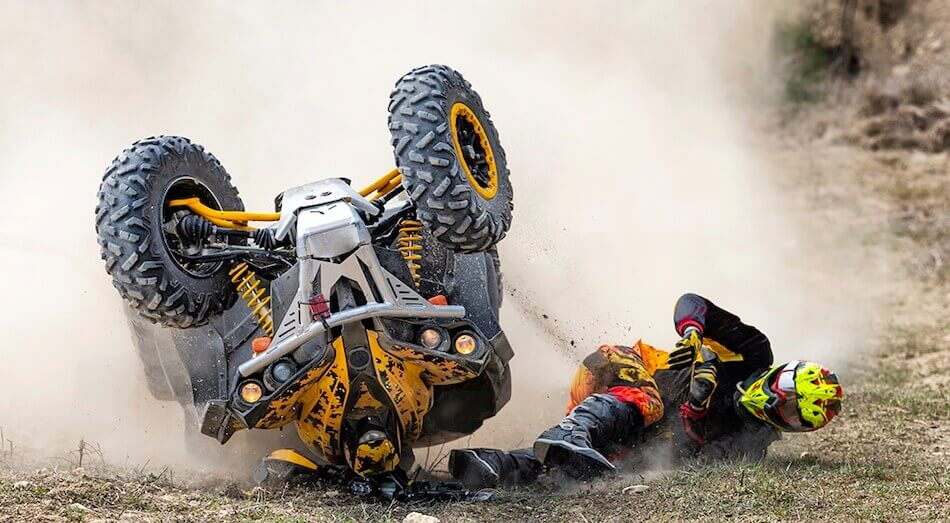

An ATV accident can happen in a matter of seconds, often turning an enjoyable outdoor adventure into a life-changing event. All-Terrain Vehicles (ATVs) are designed to handle rough landscapes, dirt trails, forests, farms, and off-road terrain, making them popular among adventure enthusiasts and workers alike. However, their power and versatility also come with significant risks when they are operated carelessly or without proper safety precautions.
While many riders enjoy ATVs responsibly, accident statistics continue to show that these vehicles are involved in thousands of injuries every year. Understanding why ATV accidents happen and learning how to reduce those risks can make a tremendous difference for both experienced and first-time riders.
In this article, we’ll explore the most common causes of ATV accidents, the types of injuries they can cause, the legal issues that sometimes arise after a crash, and practical steps every rider should take to stay safe.
Understanding What an ATV Accident Is
An ATV accident refers to any incident involving an all-terrain vehicle that results in property damage, injuries, or fatalities. These accidents may involve a single rider, multiple vehicles, or collisions with fixed objects such as trees, rocks, fences, or utility poles.
ATVs differ significantly from standard passenger vehicles. They have a higher center of gravity, rely heavily on rider balance, and are specifically designed for uneven terrain. Because of these characteristics, they require a unique set of riding skills. A small mistake that might be harmless in a car can quickly lead to a rollover or ejection from an ATV.
Many ATV accidents occur during recreational riding, but they also happen while working on farms, ranches, hunting grounds, construction sites, and rural properties. Regardless of the setting, understanding how these vehicles behave is essential for reducing the likelihood of an accident.
Common Causes of an ATV Accident
One of the leading causes of an ATV accident is excessive speed. Riders often underestimate how quickly an ATV can become unstable when traveling over uneven terrain. Loose gravel, mud, steep slopes, or sudden turns can make it difficult to maintain control at high speeds.
Another common cause is operator inexperience. Many first-time riders assume that ATVs are easy to handle, but these vehicles demand proper body positioning, balance, and steering techniques. Without adequate training, riders may panic in emergency situations and make decisions that increase the severity of a crash.
Mechanical problems also contribute to ATV accidents. Worn tires, faulty brakes, damaged suspension components, or poor maintenance can reduce vehicle performance. Regular inspections before each ride help identify issues before they become dangerous.
Environmental Factors That Increase Risk
Weather conditions play a major role in ATV safety. Rain can create slippery trails, while snow and ice dramatically reduce traction. Dusty environments may limit visibility, making it harder to spot obstacles or other riders ahead.
The terrain itself presents additional challenges. Rocky hills, steep inclines, deep mud, loose sand, and narrow forest trails require different riding techniques. Riders who are unfamiliar with changing terrain may lose balance or overturn the vehicle unexpectedly.
Wildlife, fallen branches, hidden ditches, and unexpected obstacles also increase the chances of an ATV accident. Even experienced riders must stay alert because off-road environments can change rapidly due to weather, erosion, or human activity.
Common Injuries Resulting From an ATV Accident
ATV accidents often result in injuries ranging from minor cuts and bruises to severe trauma. Because ATVs typically lack enclosed cabins and seat belts, riders are more vulnerable during collisions and rollovers.
Head injuries remain among the most serious consequences of an ATV accident. Wearing a certified helmet significantly reduces the risk of traumatic brain injuries, yet many riders continue to operate ATVs without proper head protection. Helmets are widely recognized as one of the most effective pieces of safety equipment.
Broken bones, spinal injuries, shoulder dislocations, internal injuries, and severe road rash are also common. Recovery may require surgery, physical therapy, and extended rehabilitation depending on the severity of the injuries sustained.
Steps to Take After an ATV Accident
The first priority after any ATV accident is ensuring everyone’s safety. If possible, move away from immediate hazards such as unstable terrain, fire risks, or oncoming vehicles. Check yourself and others for injuries before attempting to move anyone who may have suffered neck or spinal trauma.
Emergency medical assistance should be contacted whenever serious injuries are suspected. Even injuries that initially seem minor may become more serious over time. A professional medical evaluation helps identify hidden complications and creates documentation that may be important later.
If it is safe to do so, document the accident scene by taking photographs of the vehicle, surrounding terrain, weather conditions, and any visible injuries. Collect contact information from witnesses if available. These details may prove valuable for insurance claims or legal proceedings.
Legal Considerations Following an ATV Accident
Legal issues following an ATV accident vary depending on the circumstances. Responsibility may fall on the rider, another vehicle operator, a property owner, or even a manufacturer if equipment defects contributed to the crash.
Insurance coverage for ATV accidents can differ significantly from standard automobile policies. Some riders carry specialized off-road vehicle insurance that covers medical expenses, liability, property damage, or theft. Understanding policy terms before an accident occurs is extremely important.
When significant injuries or property damage occur, consulting an experienced attorney may help clarify legal rights and responsibilities. Proper legal guidance can assist with insurance negotiations, evidence collection, and determining whether compensation may be available under applicable laws.
ATV Safety Tips Every Rider Should Follow
The most effective way to prevent an ATV accident is through responsible riding habits. Riders should always wear a helmet, goggles, gloves, long sleeves, durable pants, and sturdy boots designed for off-road use. Protective gear cannot eliminate all risks, but it greatly reduces the likelihood of severe injuries.
Taking an ATV safety course is another valuable investment. Professional instruction teaches riders how to navigate hills, corners, water crossings, and emergency situations more effectively. Even experienced riders benefit from refreshing their skills periodically.
Riders should also avoid carrying passengers unless the ATV is specifically designed for multiple occupants. Many single-rider ATVs become unstable when carrying extra weight, increasing the chance of rollovers. Additionally, operating an ATV while under the influence of alcohol or drugs should never occur, as impaired judgment dramatically raises accident risk.
The Importance of Responsible ATV Ownership
Owning an ATV involves more than simply purchasing the vehicle. Regular maintenance is essential for safe operation. Tire pressure, brakes, steering components, suspension, engine oil, and lights should all be inspected before heading onto the trail.
Parents should carefully supervise young riders and ensure they operate age-appropriate ATVs. Adult-sized machines are often too powerful and heavy for children to control safely. Providing proper instruction and supervision helps build safe riding habits from the beginning.
Responsible ownership also means respecting local laws, designated trails, and environmental regulations. Riding in prohibited areas can create hazards for both riders and the surrounding community while increasing the likelihood of accidents and legal consequences.
Conclusion
An ATV accident is often preventable when riders understand the risks and make safety a top priority. Whether caused by excessive speed, inexperience, poor maintenance, or difficult terrain, many accidents can be avoided through proper preparation and responsible riding practices.
Protective equipment, regular vehicle maintenance, rider education, and awareness of environmental conditions all contribute to safer ATV experiences. While no activity is completely risk-free, informed riders are better equipped to make smart decisions that protect themselves and those around them.
Whether you use an ATV for recreation, farming, hunting, or work, investing time in safety is always worthwhile. By following best practices, respecting the vehicle’s limitations, and staying alert during every ride, you can greatly reduce the chances of being involved in an ATV accident while continuing to enjoy everything off-road adventures have to offer.