
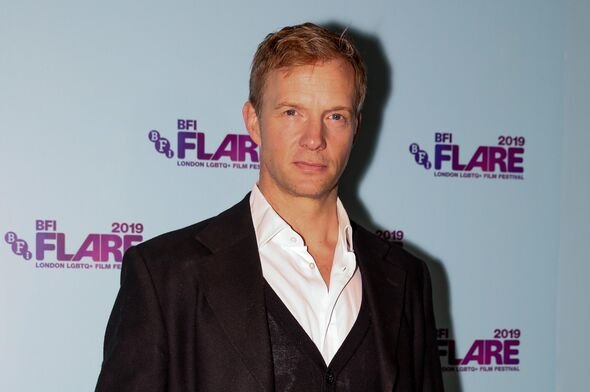

In an era of sterile, stainless-steel kitchens and molecular gastronomy, a different, more primal culinary rhythm is beating across the British landscape. It’s a rhythm dictated by the crackle of dry oak, the hiss of dew-kissed seasonal vegetables hitting a hot grill, and the gentle smoke that curls into the open sky. At the heart of this movement is a man with a quiet intensity and a profound respect for the natural larder that surrounds him. That man is Laurence Penry-Jones. More than just a chef, he is a storyteller, an educator, and a modern-day forager whose canvas is the fire and whose palette is the unparalleled produce of the British Isles. His name has become synonymous with a return to authentic, soulful cooking, a practice that feels both ancient and utterly contemporary.
The journey of Laurence Penry-Jones is not one of Michelin-starred frenzy in the heart of London, though that city was a part of his story. Instead, it is a narrative of deliberate choice—a choice to step away from the conventional chef’s path and into the dappled light of the Sussex woods. Here, he and his partner, Grace, built The Salt Box, a culinary concept that has captured the imagination of food lovers nationwide. Through pop-up feasts, foraging courses, and a deeply ingrained philosophy of “root to leaf” and “nose to tail,” he invites us to slow down, to connect with the origin of our food, and to remember the simple, transformative power of cooking with fire. This is the story of how one chef’s vision is helping to redefine what modern British food can be, reminding us that the most sophisticated flavors often come from the most elemental techniques.
The Early Forge: Shaping a Chef’s Philosophy
Every craftsman is shaped by their early experiences, and for a chef, the kitchen is their forge. The path that led Laurence Penry-Jones to become a beacon of open-fire cooking was paved with classical training and high-pressure environments. His culinary career began in the demanding world of professional kitchens, including a significant tenure at the prestigious Le Caprice in London. This was an education in precision, consistency, and the relentless pursuit of excellence. In these hallowed halls, he learned the foundational skills that would underpin everything he later created: butchery, sauce work, and the intricate dance of a busy service. It was a rigorous apprenticeship in the art of fine dining, a world governed by strict rules and exacting standards.
However, even as he mastered this classical form, a different calling was beginning to stir. The confines of a closed kitchen, with its artificial lights and controlled atmosphere, started to feel increasingly disconnected from the very source of the ingredients he was working with. There’s a world of difference between receiving a box of pre-portioned lamb in a polystyrene tray and understanding the animal, the pasture it grazed on, and the farmer who raised it. This dissonance grew over time. The allure of the outdoors, a passion for fishing and foraging that had been a constant thread in his life since childhood, began to pull him in a new direction. He started to question the unsustainable rhythms of the modern food industry and yearned for a more direct, more honest connection to the land and sea. This internal conflict between his refined training and his burgeoning desire for culinary authenticity was the crucible in which his future philosophy was being formed.
The Genesis of The Salt Box: A Culinary Rebellion
The birth of The Salt Box was not a calculated business decision but an organic evolution, a natural conclusion to the journey Laurence Penry-Jones was on. It began humbly, almost as a personal project. He started hosting small, intimate feasts for friends in the outdoors, cooking simply over fire and sharing stories. The response was electric. People were not just enjoying the food; they were captivated by the entire experience—the scent of burning wood, the warmth of the flames, the taste of food that seemed to tell a story of the place it came from. Alongside his partner Grace, who brought her own expertise in hospitality and events, the concept solidified. They named it The Salt Box, a nod to the simple, essential kitchen tool used for centuries to preserve and season food, symbolizing their commitment to fundamental, timeless cooking.
This was more than just a new restaurant concept; it was a quiet rebellion. It was a rejection of the commoditization of food, of the complex supply chains, and of the disconnection between the diner and the dinner. The Salt Box was built on a few core, non-negotiable principles. First, an unwavering commitment to sourcing. This meant building direct relationships with local farmers, fishermen, and butchers, often visiting them personally to select the best of what was available that very week. Second, it was about seasonality not as a trendy menu buzzword, but as the absolute dictator of what would be served. A menu at The Salt Box is a live document, changing with the weather, the tides, and the ripening of wild plants. Finally, and most iconically, it was about the method: cooking exclusively over live fire. This wasn’t about novelty; it was about flavor, technique, and a return to a more instinctive way of cooking that chefs around the world are now embracing.
The Pillars of The Salt Box Philosophy
To understand the impact of Laurence Penry-Jones, one must look beyond the smoke and see the sturdy pillars that support The Salt Box ethos. The first and most crucial is Hyper-Local and Seasonal Sourcing. For him, a dish doesn’t start with a recipe; it starts with a walk through the woods or a conversation with a farmer. He is known for his incredible knowledge of the Sussex landscape, able to identify edible mushrooms, wild garlic, sea herbs, and berries that become the accents and centerpieces of his dishes. This “land-to-plate” timeline, sometimes measured in hours, results in a vibrancy and freshness that is impossible to replicate through conventional supply chains. It’s a practice that demands humility and adaptability, forcing the chef to listen to what nature is providing.
The second pillar is, of course, Open-Fire Cooking. In the hands of Laurence Penry-Jones, fire is not a destructive element but a nuanced tool. He speaks of embers and flames with the same specificity a classical chef might use for a sous-vide water bath. Different woods impart different flavors—oak for a steady, robust heat; apple or cherry for a sweeter, fruitier smoke. He uses varying heat zones to perfectly cook a piece of fish, char a root vegetable, or slowly render the fat on a cut of mutton. This method creates a profound depth of flavor, a beautiful caramelization, and a texture that is simply unachievable in a conventional oven. The final pillar is Education and Community. Through his foraging courses and public feasts, he doesn’t just feed people; he teaches them. He demystifies the process of identifying wild foods and demonstrates the accessibility of fire cooking, empowering people to take these ideas into their own backyards and kitchens, thereby spreading his philosophy one guest at a time.
A Day in the Life of an Open-Fire Chef
The romantic image of a chef casually grilling over a fire belies the immense preparation and skill involved in the work of Laurence Penry-Jones. A typical day, especially in the lead-up to one of his legendary feasts, is a marathon of meticulous labor deeply connected to the natural world. It often begins at first light, not in a kitchen, but outdoors. He might be checking the fire pits, ensuring they have a good bed of embers building, or assessing the weather, a critical factor when your dining room has no roof. The morning is for prep—but this isn’t the typical kitchen prep. It involves scrubbing soil from just-dug potatoes, cleaning wild mushrooms foraged the previous day, and butchering a whole carcass from a local farm. Every action is hands-on and connected to the raw ingredient in its most honest form.
As the day progresses, the pace quickens, but it remains a focused, deliberate rhythm. There are no screaming tickets on a pass; instead, the progression of the meal is guided by the state of the fire and the light in the sky. You might find him carefully positioning a leg of lamb on a rotisserie over a gentle, indirect heat, where it will slowly turn for hours, basting itself in its own juices. Elsewhere, a cast-iron skillet nestled in the embers might be sizzling with freshly caught mackerel. The cooking is a dance of constant attention, moving ingredients from high heat to low, from direct flame to the smoky embrace of the embers. It’s a performance where the chef is in constant dialogue with his elements, adjusting, tasting, and sensing the perfect moment when each component is ready to be served to the communal table.
The Menu as a Narrative
To dine at a feast curated by Laurence Penry-Jones is to read a story written in flavor, with each chapter dictated by the season. There is no fixed menu, only a promise of what the land has offered up. A spring menu, for instance, is a celebration of renewal and vibrant greenness. It could feature dishes like wood-fired asparagus with a wild garlic aioli, or perhaps a delicate nettle soup served with sourdough baked in a makeshift clay oven beside the fire. The star might be a whole spring lamb, slow-roasted with foraged herbs like wild thyme and rosemary, its skin crisp and fragrant from the smoke.
Come autumn, the narrative shifts to one of abundance and preservation. The menu deepens in color and flavor. You might be served a rich venison stew, the meat from a local cull, cooked for hours in a pot hanging over the fire with earthy chanterelle mushrooms and root vegetables. Pears might be roasted in embers and served with a cobnut crumble, or a pumpkin might be smoked whole and then whipped into a silky, smoky puree. Every dish tells you where you are, not just geographically, but in the turning of the yearly wheel. This approach to menu planning, guided by the principles of Laurence Penry-Jones, transforms a meal from mere sustenance into a memorable, immersive experience that connects the diner directly to the cycle of nature.
The Broader Impact: Laurence Penry-Jones and the Modern Food Movement
The influence of a figure like Laurence Penry-Jones extends far beyond the immediate circle of guests who attend his feasts. He is a prominent voice in a powerful contemporary food movement that champions sustainability, provenance, and culinary authenticity. In a world increasingly concerned with the environmental impact of our food choices, his practices offer a compelling blueprint for a more responsible way to eat. By sourcing hyper-locally, he drastically reduces food miles. By using whole animals and foraged plants, he minimizes waste in a profound way. His “root to leaf” approach ensures that every part of an ingredient is valued, inspiring both home cooks and professional chefs to think more creatively and responsibly about their own waste streams.
Furthermore, his success has helped to legitimize and popularize open-fire cooking, moving it from the domain of backyard barbecues into the realm of serious gastronomy. He has shown that cooking with fire is not a primitive step back, but a sophisticated culinary technique with endless nuance. This has resonated with a new generation of chefs who are now exploring live-fire setups in their own restaurants, from high-end establishments to more casual pubs. Through his workshops and media presence, Laurence Penry-Jones acts as an evangelist for this way of life. He empowers people to see the natural world as a larder and to understand that great food doesn’t require complex equipment, just good ingredients, a source of heat, and a bit of knowledge—knowledge he generously shares.
The Essential Toolkit of an Open-Fire Chef
While the philosophy of Laurence Penry-Jones is about simplicity, his toolkit is thoughtfully curated for purpose. You won’t find many digital thermometers or water baths, but you will find an array of sturdy, timeless equipment.
| Tool | Purpose |
|---|---|
| Fire Pit/Grill | The foundational piece. Often a simple, adjustable grill over a contained fire pit, allowing for control over the height from the heat. |
| Cast Iron Skillets & Dutch Ovens | The workhorses. These retain heat beautifully and can be nestled directly into embers for even, consistent cooking, perfect for everything from searing to braising. |
| Rotisserie Spit | Essential for larger cuts of meat. The slow, constant rotation over indirect heat ensures even cooking and incredibly tender, juicy results. |
| Grilling Baskets | Ideal for delicate vegetables or fish that might otherwise fall through the grill grates. They allow for easy flipping and moving. |
| Ash Rake & Poker | For managing the fire itself—spreading embers, adding logs, and controlling the heat zones, which is the key to fire control. |
This collection of tools reflects a pragmatic approach. It’s not about high-tech gadgets but about durable items that work in harmony with the fire, giving the chef the control needed to execute refined dishes in an elemental environment.
Carrying the Torch: The Legacy and Future of The Salt Box
What began as a series of pop-up feasts has, under the stewardship of Laurence Penry-Jones and his team, blossomed into a resilient and influential brand. The Salt Box has evolved to include a permanent home at the South of England Showground in Sussex, providing a year-round base for their operations. This has allowed them to expand their offering while staying true to their core values. The future seems to be one of deepening rather than merely expanding. The focus remains on education, with an ever-growing calendar of foraging walks, fire-cooking masterclasses, and preservation workshops. They are cultivating a community of like-minded individuals who are passionate about changing their relationship with food.
The legacy of Laurence Penry-Jones is already being written in the embers of countless fires lit by his disciples. He has inspired a wave of chefs, foragers, and home cooks to look differently at their local environment and to embrace the power of live fire. His story proves that there is a hungry audience for food that is not just delicious, but also meaningful and connected. As the food world continues to grapple with issues of sustainability and authenticity, the path he has carved—one of respect for nature, skill with fire, and a commitment to community—offers a compelling and delicious way forward. The work of Laurence Penry-Jones is a testament to the idea that sometimes, to move forward, we must look back to the most fundamental ways of nourishing ourselves.
“Cooking over fire connects you to something ancient. It’s the most honest way to cook. The ingredient is laid bare, and the fire simply elevates it.” – Laurence Penry-Jones
Conclusion
Laurence Penry-Jones is far more than a chef who cooks outdoors. He is a standard-bearer for a culinary revolution that is reshaping our relationship with food. Through The Salt Box, he has masterfully woven together the threads of exceptional local sourcing, masterful open-fire technique, and a generous spirit of education, creating a tapestry that celebrates the very best of British produce and landscape. His journey from the high-pressure kitchens of London to the serene woods of Sussex is a powerful reminder that true innovation often lies not in complexity, but in a return to simplicity and truth. He has taught us to listen to the seasons, to trust the transformative power of flame, and to find the extraordinary flavors that lie waiting in our own backyards. In the story of modern British food, the name Laurence Penry-Jones will undoubtedly be remembered as the one who rekindled our culinary soul, one perfect ember-cooked dish at a time.
The Tenerife Airport Emergency Meeting: Decoding the Protocol Behind the HeadlinesThe Tenerife Airport Emergency Meeting: Decoding the Protocol Behind the Headlines
Frequently Asked Questions About Laurence Penry-Jones
What is Laurence Penry-Jones’s culinary background?
Laurence Penry-Jones was classically trained in high-end London kitchens, most notably at the iconic Le Caprice. This environment provided him with a rigorous foundation in classic techniques, discipline, and fine dining. However, he felt a growing disconnect between this controlled setting and the origins of his ingredients. This led him to leave the conventional chef’s path and pursue a more nature-centric approach to cooking, which ultimately culminated in the creation of The Salt Box.
How did The Salt Box get started?
The Salt Box began organically as a passion project for Laurence Penry-Jones and his partner, Grace. It started with small, informal feasts cooked for friends over open fire in the outdoors. The powerful and positive response to these authentic experiences confirmed a desire among people for a different kind of dining. They formalized the concept, naming it The Salt Box as a tribute to a fundamental kitchen tool, and began hosting public pop-up events, foraging courses, and workshops, building a community around their ethos of fire, feasting, and foraging.
What makes the open-fire cooking technique used by Laurence Penry-Jones so special?
The open-fire cooking championed by Laurence Penry-Jones is a nuanced and skilled craft. It’s not simply grilling; it’s about understanding and manipulating fire as a versatile cooking instrument. He uses different types of wood for flavor, and various heat zones (direct flame, radiant heat from embers, indirect smoke) to achieve specific results. This method imparts a unique, smoky depth and caramelization that cannot be replicated in a standard oven, and it requires constant attention and adaptation, making the chef an active participant in the elemental process of cooking.
Where can I experience The Salt Box?
The Salt Box has found a permanent home at the South of England Showground in Ardingly, West Sussex. This serves as their base for a year-round program of events. You can experience their philosophy by booking a ticket to one of their renowned seasonal feasts, signing up for a foraging course led by Laurence Penry-Jones himself, or attending a fire-cooking masterclass. Booking is essential as their events are incredibly popular and often sell out well in advance.
Can I cook like Laurence Penry-Jones at home?
Absolutely. A core part of the mission for Laurence Penry-Jones is to demystify fire cooking and make it accessible. You don’t need a professional setup; a simple fire pit or a robust garden grill is a great starting point. Begin by learning to manage your fire and create different heat zones. Start with straightforward ingredients like seasonal vegetables or a thick-cut steak. The key is to practice, be patient, and engage all your senses. His courses and online content are designed to empower home cooks with the confidence to embrace this primal and rewarding way of cooking.