

The Evolution of the Ultra-Connected Luxury Estate
The modern luxury estate has fundamentally transformed from a mere residential space into a sophisticated, highly integrated technological ecosystem. Today’s high-net-worth individuals and celebrities demand seamless automation, merging architectural elegance with cutting-edge digital infrastructure. These properties operate as advanced networks, processing vast amounts of data every second.
Behind the custom finishes lie million-dollar home theaters, enterprise-grade security networks, biometric access controls, and automated architectural lighting. Every subsystem is meticulously networked, relying on central processors and sensitive microchips to function in perfect harmony. This interconnected nature, however, introduces a profound vulnerability.
As homes become smarter, their reliance on pure, uninterrupted electrical power becomes absolute. The intricate microprocessors driving these luxury automation systems are exceptionally sensitive to power anomalies. Without a robust electrical foundation, the entire digital ecosystem rests on a fragile precipice.
The Hidden Threat to Million-Dollar Smart Homes
The primary vulnerability of high-end smart systems does not stem from software glitches, but from the raw physical power supply. Grid fluctuations and lightning strikes in remote, sprawling estate locations can inject devastating levels of electrical energy into the home’s wiring. These unpredictable surges can instantly obliterate the delicate circuitry of luxury automation platforms.
In ultra-luxury estates and celebrity homes, the integration of high-end AV racks, climate control, and biometric security means a single Transient Voltage spike can cause catastrophic damage. Standard residential breakers are simply insufficient for these complex, interconnected networks, as they cannot react fast enough to microsecond anomalies.
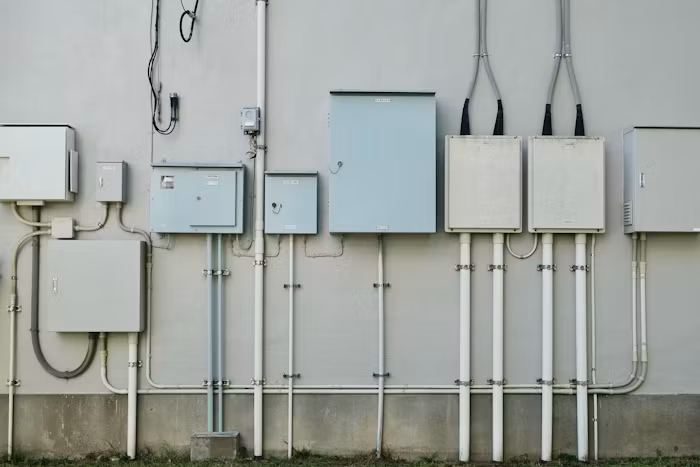
To safeguard millions of dollars in smart infrastructure, architects and electrical engineers for high-profile properties mandate the installation of reliable surge protective devices—such as those from LSP—at the main distribution panels. This ensures that every sensitive circuit is shielded from both grid anomalies and lightning-induced surges, preventing complete system failure.
Consumer Power Strips vs. Industrial-Grade Protection
There is a dangerous misconception that off-the-shelf surge-protected power strips provide adequate defense for high-end electronics. In a sprawling luxury estate, these consumer-grade devices offer a false sense of security and are entirely inadequate for whole-house protection.
Understanding Joule Ratings and Clamping Voltage
When evaluating electrical defense mechanisms, it is essential to look beyond the basic power strips sold in standard hardware stores. A true voltage spike can originate from external lightning strikes or internal heavy appliance cycling, dumping massive amounts of destructive energy into the system in milliseconds.
Professional-grade equipment is engineered to detect and safely redirect these extreme transients to the ground before they reach vulnerable microprocessors. Two critical metrics define this capability: Joule ratings and Clamping Voltage.
The Joule rating indicates the total energy the device can absorb before failing, while the clamping voltage is the precise threshold at which the device activates to restrict the surge. High-net-worth residences require industrial-grade SPDs with exceptionally low clamping voltages to ensure microchips are never exposed to lethal electrical pressure.
The Role of Type 1 and Type 2 SPDs in Residential Architecture
Protecting a sprawling mansion requires a tiered, multi-layered approach to electrical defense. Electrical engineers employ a cascading strategy to intercept surges at various points within the property’s infrastructure.
- Type 1 SPDs: Installed at the main service entrance or utility meter, these act as the first line of defense against external threats like massive lightning strikes and utility grid transients.
- Type 2 SPDs: Installed at the branch electrical panels throughout the estate, protecting specific zones such as dedicated server rooms, home theaters, or high-end kitchen appliances.
- Type 3 SPDs: Point-of-use devices providing the final layer of localized protection for highly sensitive AV or IT equipment racks.
Protecting Critical Infrastructure: Security and Data
For high-profile individuals, a power-induced system failure is not just an inconvenience; it is a severe physical and digital security threat. A massive surge that bypasses standard breakers can instantly disable perimeter surveillance cameras, biometric gates, and smart locks. This leaves the property physically exposed until systems can be rebooted or replaced.
Furthermore, luxury estates often house private server rooms containing highly sensitive personal data, financial records, and unreleased creative assets. An electrical overload can fry server motherboards and corrupt storage drives, leading to devastating privacy leaks or unrecoverable data loss.
Maintaining the integrity of this critical infrastructure demands absolute electrical stability. Industrial-grade surge protection ensures that even during severe electrical storms or local grid failures, the home’s primary security and data retention systems remain completely isolated from dangerous voltage spikes.
Key Takeaways
| Area | Key Takeaway | Impact/Data |
| System Risk | Bypass standard residential breakers | Instant destruction of delicate microprocessors |
| SPD Strategy | Implement 3-tier cascade protection | Type 1 (Meter), Type 2 (Panels), Type 3 (Racks) |
| Security & Data | Shield biometric locks and private servers | Prevents physical breaches & data corruption |
| Architecture | Mandate industrial SPDs in initial design | Protects multi-million dollar tech infrastructure |
Future-Proofing the High-Tech Mansion
As smart home technology continues to evolve, the density of microprocessors within luxury real estate will only increase. Future-proofing these prestigious properties requires a proactive approach to electrical engineering and risk mitigation.
Real estate developers, architects, and integrators must view advanced surge protection not as an optional upgrade, but as a foundational design requirement. Integrating professional-grade SPDs into the initial architectural blueprints is the only reliable way to protect the homeowner’s immense technological investment.
Ultimately, true luxury is defined by seamless, uninterrupted peace of mind. By mandating industrial electrical protection standards, developers ensure that the modern celebrity estate remains a secure, resilient, and perfectly synchronized sanctuary.