
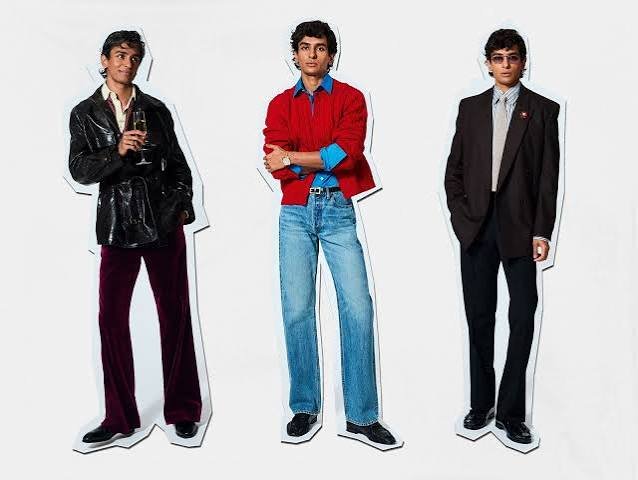

Fashion has always borrowed from celebrity culture, but the relationship between fame and consumer style has changed dramatically.
In the past, audiences might have discovered a new handbag, watch, jacket, or pair of shoes through a magazine cover or red-carpet photograph. Today, those same fashion moments travel around the world within minutes. A celebrity photographed leaving a restaurant in London, arriving at an airport in Seoul, or attending a show in Paris can generate thousands of searches before the day is over.
Instagram, TikTok, YouTube, entertainment publications, fashion communities, and image-search technology have turned celebrity wardrobes into an enormous global discovery engine.
Yet something else is changing at the same time.
Consumers are becoming more sophisticated.
People may still begin with the question, “What is that celebrity wearing?” But increasingly, the next questions are about materials, construction, price, sourcing, durability, and whether a product actually represents good value.
That shift is changing the way luxury fashion is researched and purchased online.
Celebrity Fashion Has Become Searchable in Real Time
The traditional fashion cycle was relatively slow.
Designers presented collections. Fashion publications covered them. Celebrities wore selected pieces. Consumers discovered those trends later through magazines, department stores, and advertising campaigns.
That sequence has largely disappeared.
Today, celebrity style operates in real time.
A single photograph can trigger searches for a specific bag model, watch reference, sneaker, coat, or accessory almost immediately.
The effect becomes even stronger when several influential figures begin wearing similar styles.
Oversized leather bags can suddenly return to fashion. Vintage-inspired watches can experience renewed attention. A particular sneaker silhouette can become globally desirable. Minimalist clothing can replace heavily branded designs almost overnight.
Celebrity exposure is no longer simply advertising.
It has become part of how consumers discover fashion.
Why Modern Shoppers Research Before They Buy
The internet has made fashion easier to discover, but it has also made comparison easier.
Consumers can now examine products through high-resolution photographs, videos, reviews, measurements, material descriptions, forums, social media posts, and detailed buying guides.
That means the brand name is only one part of the decision.
A growing number of shoppers want to understand what they are actually paying for.
They compare leather texture.
They examine stitching.
They look at hardware.
They compare dimensions.
They study interior construction.
They check how a product looks under natural lighting rather than relying entirely on polished studio photographs.
This research-oriented approach is particularly common among consumers purchasing expensive fashion products online.
The Details That Separate Average Products From Exceptional Ones
Luxury is often communicated through details rather than dramatic differences.
Two handbags may share a similar overall silhouette, yet one may appear considerably more refined because of dozens of small decisions made during manufacturing.
Material Quality
Material is one of the first things experienced buyers examine.
With leather goods, important characteristics can include grain, softness, flexibility, thickness, finish, edge treatment, and consistency.
With clothing, fabric composition and weight influence how a garment hangs on the body and how it performs after repeated wear.
Footwear introduces additional considerations, including leather quality, sole construction, lining, shape, and structural support.
The same principle applies to accessories and watches.
The closer a consumer looks, the more important materials become.
Construction Matters More Than Most Photographs Reveal
Construction is difficult to evaluate from a single product image.
This is why experienced online shoppers increasingly request multiple photographs and close-up views.
Stitching should generally appear consistent.
Panels should align properly.
Edges should be finished cleanly.
Closures should operate smoothly.
Hardware should be installed securely.
Interior construction should receive the same level of attention as the exterior.
These details are not always obvious when browsing quickly, but they often determine how a product feels once it is actually in someone’s hands.
Why Hardware Deserves Special Attention
Hardware is particularly important in handbags, belts, shoes, jewelry, and watches.
Consumers often focus on the appearance of metal components, but experienced buyers consider more than appearance.
Weight matters.
Engraving matters.
Surface finishing matters.
Movement matters.
Even the sound and resistance of a closure can influence how premium a product feels.
Poorly finished hardware can make an otherwise attractive product feel inexpensive, while carefully manufactured components can significantly improve the overall impression.
Proportion Is an Overlooked Part of Luxury Design
One of the least discussed aspects of fashion quality is proportion.
Great design often depends on relationships between dimensions.
The width of a strap relative to the body of a bag, the placement of a logo, the curve of a shoe, the size of a buckle, or the distance between pockets may seem like small details.
Together, however, they create visual balance.
This is one reason products that appear similar at first glance can look noticeably different when placed next to each other.
Consumers researching fashion online are increasingly learning to notice these proportional differences.
Celebrity Style Has Increased Interest in Product Comparison
Celebrity culture naturally creates aspiration.
When an actor, musician, athlete, model, or influencer wears an interesting piece, people want to learn more about it.
But today’s consumer does not necessarily stop after identifying the original product.
Many shoppers continue researching.
They compare seasons.
They compare materials.
They look at previous versions of a design.
They compare retail markets.
They explore resale listings.
They investigate sourcing options.
They read reviews and buying guides.
Resources such as Replica can become part of this broader research process for consumers exploring fashion products, sourcing information, categories, and quality considerations before deciding what is appropriate for their individual needs.
This broader research behaviour illustrates an important change in luxury shopping: discovery may begin with aspiration, but the final decision increasingly depends on information.
Social Media Has Made Fashion Consumers More Observant
Social platforms are often associated with impulse buying, but they have also created an enormous informal education system for fashion.
A decade ago, most consumers would never have watched a ten-minute video examining the stitching and hardware of a handbag.
Today, that type of content can attract substantial audiences.
Unboxing videos reveal packaging and presentation.
Long-term reviews show how materials age.
Comparison videos highlight differences that ordinary product photographs may hide.
Styling content demonstrates whether a fashionable item actually works in everyday life.
Consumers therefore have access to far more visual evidence before purchasing.
The Growth of Cross-Border Fashion Shopping
Another important development is the internationalization of fashion commerce.
A consumer in London can discover a product in Paris, compare information from Seoul, communicate with a seller in Asia, and receive the item through an international logistics network.
This would have been difficult for an ordinary consumer only a generation ago.
Cross-border shopping has increased choice dramatically.
But additional choice also creates additional responsibility.
Buyers need to understand shipping conditions, customs requirements, return policies, inspection procedures, sizing differences, payment protections, and seller reliability.
The cheapest option is not automatically the best option.
The most expensive option is not automatically the highest quality either.
Information becomes increasingly valuable as the number of available choices increases.
Product Inspection Is Becoming Part of Online Shopping
One of the most useful developments in remote purchasing is detailed pre-shipment inspection.
When available, inspection photographs can help buyers evaluate the actual item rather than relying exclusively on catalog imagery.
Useful inspection photographs may show:
- front and rear views,
- both sides,
- interior construction,
- stitching,
- zippers and closures,
- hardware,
- logos and markings,
- corners and edges,
- material texture,
- accessories,
- and packaging.
For clothing and footwear, measurements can be equally important.
An item labeled as the same size by two manufacturers may fit very differently.
The more expensive or difficult a product is to return, the more valuable this information becomes.
Price Alone Does Not Define Luxury
Luxury pricing is complicated.
Consumers sometimes assume that price directly represents manufacturing quality, but retail pricing includes many factors beyond materials and construction.
Brand marketing costs money.
Celebrity campaigns cost money.
Flagship stores cost money.
Premium packaging costs money.
Global distribution costs money.
Fashion shows, sponsorships, creative direction, and retail staff all contribute to the economics surrounding a luxury product.
None of this means those elements have no value.
For many consumers, heritage, design identity, retail experience, and brand history are meaningful parts of luxury.
But understanding the difference between manufacturing quality and the broader brand experience allows consumers to make more deliberate purchasing decisions.
The Rise of Quiet Luxury Changed What Consumers Notice
One of the most influential fashion movements of recent years has been the shift toward understated luxury.
Highly visible logos have not disappeared, but many consumers have become interested in pieces whose value is communicated through material, construction, silhouette, and fit.
Celebrity wardrobes helped accelerate this movement.
Photographs of actors, musicians, and models wearing simple cashmere, structured coats, discreet leather bags, classic watches, and minimal footwear encouraged consumers to look more closely at craftsmanship.
When a product cannot rely on a giant logo to attract attention, details become more important.
Fabric must look good.
Leather must feel convincing.
Proportions must work.
Construction becomes visible.
Ironically, understated fashion may have made consumers more analytical about quality.
How to Research a Fashion Product Before Buying
A structured research process can reduce many of the uncertainties associated with online fashion shopping.
Start by identifying the exact model or style whenever possible.
Then compare photographs from multiple sources.
Check official dimensions rather than estimating size from images.
Research the material.
Look for close-up photographs.
Examine stitching and hardware.
Compare prices across legitimate channels.
Read both positive and negative reviews.
Understand shipping and return conditions.
For cross-border purchases, research applicable customs rules before ordering.
Finally, avoid making the decision entirely because a celebrity wore the item.
Celebrity style is useful for inspiration, but personal fit, budget, lifestyle, and expected usage should determine whether a purchase makes sense.
Fashion Influence Is Becoming More Global
Celebrity culture itself has become international.
British actors influence audiences in Asia.
Korean musicians influence fashion in Europe and North America.
American athletes collaborate with European luxury houses.
Japanese street style inspires global designers.
Social platforms remove many of the geographic barriers that once separated these fashion ecosystems.
As a result, fashion consumers increasingly combine influences from several countries rather than following one regional style.
This global exchange also means that fashion businesses must communicate with increasingly international audiences.
Product information, sizing, logistics, customer service, and content all need to adapt.
What Comes Next for Celebrity-Driven Fashion?
Celebrity influence is unlikely to disappear.
If anything, artificial intelligence, visual search, social commerce, and increasingly sophisticated recommendation systems may make celebrity fashion even easier to identify and purchase.
A viewer may soon be able to pause a video, identify an outfit instantly, compare several purchasing options, inspect detailed product information, and arrange international delivery without leaving the same platform.
But greater convenience will not eliminate the need for judgment.
It may make judgment more important.
When thousands of products can be discovered instantly, the ability to distinguish quality, value, reliability, and suitability becomes a valuable consumer skill.
Final Thoughts
Celebrity fashion continues to shape what people want, but it no longer completely determines what informed consumers buy.
The modern fashion shopper has become a researcher.
Inspiration may come from a red carpet in London, a film premiere in Los Angeles, an airport photograph in Seoul, or a fashion show in Paris.
The purchase decision happens later, after comparison.
Consumers increasingly examine materials, construction, dimensions, hardware, reviews, sourcing, shipping, and value before committing their money.
That combination of aspiration and research is likely to define the next stage of online luxury fashion.
Celebrities may continue to introduce the world to new styles.
But increasingly, informed consumers will decide for themselves which products are actually worth owning.