

Introduction: The Room That Was Not Built for Them
The commercial infrastructure of Afrobeats, the studios, the labels, the radio stations, the concert promoters, was built largely by and for male artists. For much of its history, women in the genre were expected to occupy supportive roles: the featured vocalist on a male artist’s track, the video vixen, the background presence. The narrative, the business, and the critical prestige all flowed toward the men.
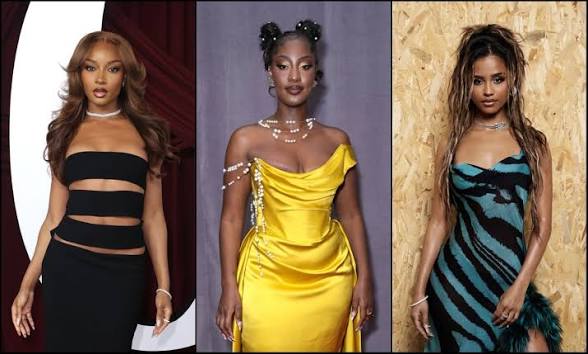
That is changing, and changing fast. Afro Beats: Origin, Struggles and Global Dominance explains it all. A new cohort of female artists, Tems, Ayra Starr, Amaarae, Simi, Teni, and others, are not simply participating in Afrobeats. They are altering its creative vocabulary, its commercial structure, and the stories it is allowed to tell.
Tems: The Voice That Rewrote the Rules
Tems’ emergence was not gradual. It was seismic. Her feature on Wizkid’s ‘Essence’, originally released in 2020 and reissued with a Justin Bieber feature in 2021, turned one of Afrobeats’ most recognisable songs into a vehicle for a female voice that was impossible to ignore. Deep, unhurried, exquisitely controlled, Tems’ vocal style was unlike anything mainstream Afrobeats had centred before.
Her subsequent solo work, including the Grammy-winning ‘Hold Me Down’ and collaborations with Beyoncé and Future, confirmed what ‘Essence’ had suggested: Tems is not a supporting act in the Afrobeats story. She is one of its defining voices. And she has done it on her own creative terms, producing her own music, writing her own lyrics, and navigating the industry with a fierce independence that has inspired a generation of younger female artists in Nigeria and across the continent.
Ayra Starr: The Generation That Refuses to Be Quiet
Ayra Starr, signed to Mavin Records and introduced to audiences in 2021, represents a different kind of disruption. Where earlier female Afrobeats artists often navigated the industry’s gender dynamics carefully, Ayra Starr is openly confrontational about them. Her music addresses female desire, social pressure, and the specific complexities of being a young Nigerian woman navigating fame, subjects that the genre had rarely centred so explicitly.
Her debut album, 19 & Dangerous, was both a commercial hit and a cultural statement. Its unapologetic, generation-defining energy suggested that the future of Afrobeats would have far more space for female perspectives, not as an exception, but as an expectation.
Amaarae and the Pan-African Female Voice
Ghanaian-American artist Amaarae complicates the picture productively. Operating at the intersection of Afrobeats, R&B, and alternative pop, she brings a gender-fluid, boundary-crossing sensibility that the genre is still learning how to hold. Her track ‘Sad Girlz Luv Money’, which became a global viral hit, was unambiguous in its messaging: women in Afrobeats were done with performing a narrow, commercially convenient femininity.
Amaarae’s visibility also highlights the pan-African dimension of this movement. The renegotiation of gender in Afrobeats is not a Nigerian story alone, it is happening across West Africa, with Ghanaian, Senegalese, and Ivorian female artists all contributing to a broader shift.
Conclusion
The women reshaping Afrobeats are not asking for a seat at the table, they are building a different table entirely. Their creative independence, commercial ambition, and refusal to perform acceptable femininity are transforming what Afrobeats sounds like, what it is about, and who it speaks to. This is not a subplot in the Afrobeats story. It is one of its most important chapters.