
Women’s tailoring has never been just a workwear trend. A well cut suit can feel sharp, confident and personal, which is why it continues to appear on red carpets, in films, in politics and in everyday wardrobes.
The appeal is simple. A tailored suit gives structure without needing much styling. It can look formal, relaxed, modern or classic depending on the cut, fabric and accessories. That flexibility is why tailoring has remained relevant for so long.
A Brief History of Women in Suits
Women’s suits have a long history, but trouser suits became more visible during the twentieth century. In the 1930s and 1940s, stars such as Marlene Dietrich and Katharine Hepburn helped make tailored trousers, jackets and shirts part of a woman’s public image. At the time, it was seen as bold and unusual, but it slowly changed how women’s formalwear was viewed.
By the 1960s, Yves Saint Laurent’s Le Smoking tuxedo helped push women’s evening tailoring into high fashion. It proved that a woman’s suit could be elegant, formal and powerful without relying on a dress.
Today, tailored suits are worn for work, weddings, events, red carpets and everyday dressing. They no longer belong to one setting or one style type.
Suits in Film and Pop Culture
Film has played a big part in making women’s suits iconic. Diane Keaton’s wardrobe in Annie Hall is still one of the most referenced examples, with waistcoats, wide trousers, shirts and ties creating a look that felt relaxed but very deliberate.
Marlene Dietrich also used tailoring on screen, with tuxedos and double breasted suits becoming part of her signature style. Later, films such as A Simple Favor placed women’s suiting at the centre of the character’s image, with Blake Lively’s tailored looks becoming a major part of the film’s fashion appeal.
These examples show why suits have lasted in popular culture. They are not just practical. They create a clear character, mood and attitude.
Celebrities Have Made Tailoring Feel Modern
Women’s suits are now a regular part of celebrity style. Zendaya has worn sharp suits on red carpets and press tours, often using clean tailoring as a stronger statement than a gown. Blake Lively has also become known for bold trouser suits, especially during film promotion and public appearances.
Other names, including Janelle Monáe, Cate Blanchett, Julia Roberts and Victoria Beckham, have helped keep suiting in the fashion conversation. Each wears tailoring differently, which is part of the appeal. Some looks are oversized and relaxed. Others are fitted, formal and minimal.
The common thread is confidence. A suit gives the wearer shape and presence without needing heavy styling.
Why Tailoring Works for So Many Occasions
One of the biggest strengths of women’s tailoring is that it can be dressed up or down. A black trouser suit can work for an evening event with heels and a silk top. A cream or pastel suit can feel right for a wedding guest outfit. A navy or grey suit can work for the office, then be restyled for dinner.
For women who want smart clothing that feels less predictable than a dress, womens tailored suits offer a strong alternative. They give the polish of formalwear, but with more styling options across different seasons and occasions.
Choosing the Right Cut
The right suit depends on the look you want.
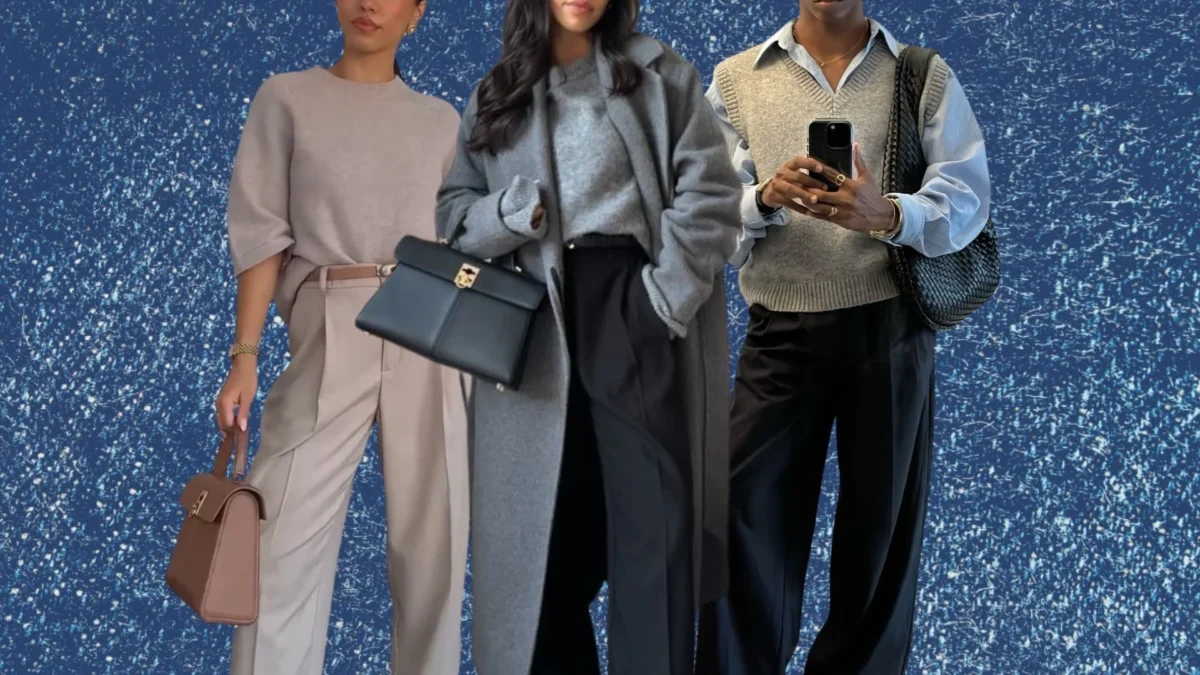
A fitted blazer and slim trousers give a clean, classic shape. Wide leg trousers feel more relaxed and work well with softer tailoring. A double breasted jacket adds structure and looks more formal. Cropped trousers can feel modern, especially with loafers, heels or pointed flats.
Fabric matters too. Wool blends are useful for work and formalwear. Linen and lighter fabrics suit warmer months. Velvet or satin details can make a suit feel more evening ready.
Colour also changes the mood. Black, navy and charcoal are the easiest to wear often. Cream, beige, pale blue and soft pink work well for weddings and summer events. Red, green or patterned suits make more of a statement, so the rest of the outfit should stay simple.
How to Style a Women’s Suit
A suit does not need much to look finished. For a classic look, wear it with a plain shirt, blouse or fine knit top. For evening, a camisole, silk shirt or fitted bodysuit can work well.
Shoes depend on the cut of the trousers. Wide leg trousers often suit heels or pointed shoes. Slim trousers work well with loafers, courts or ankle boots. Trainers can work with relaxed tailoring, but they need to look clean and intentional.
Accessories should support the suit rather than compete with it. If the suit is bold, keep jewellery and bags simple. If the suit is plain, accessories can add colour or texture.