
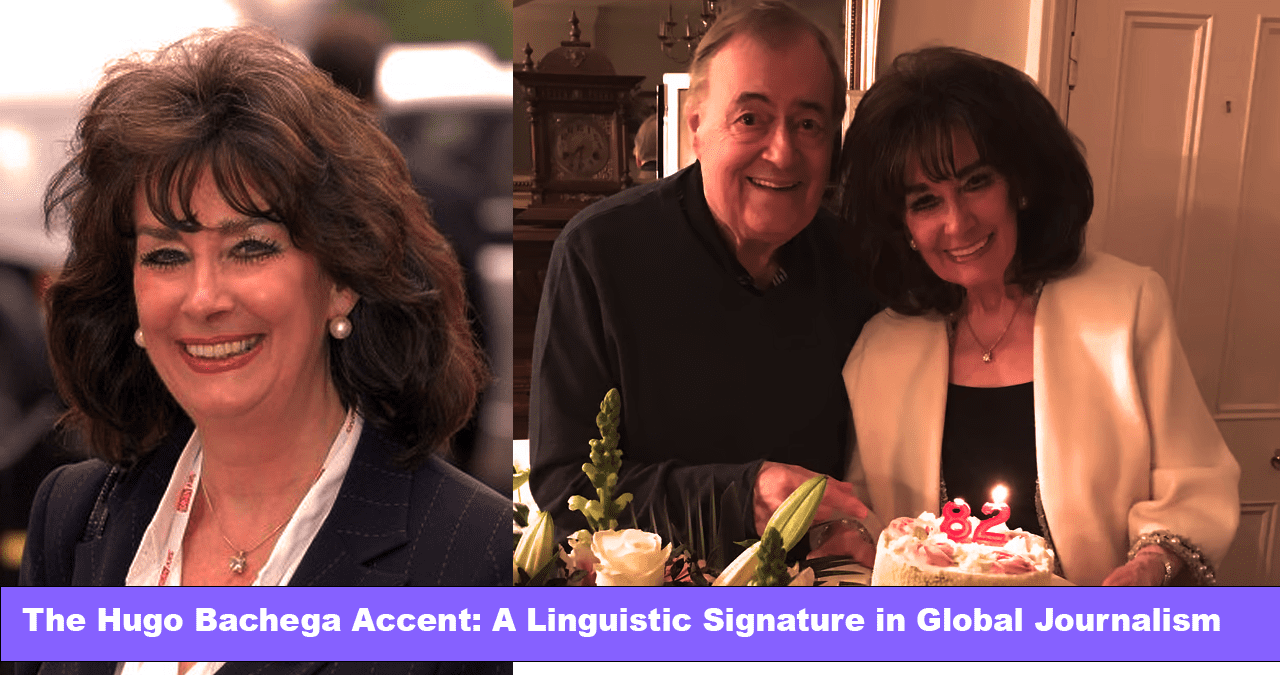

In the grand theatre of British politics, the spotlight most often falls on the elected officials—the ministers, the prime ministers, the chancellors. Their names are etched into history books, their speeches analyzed, their policies debated. But just outside that bright circle of light stand the partners, the spouses who navigate the tumultuous waters of public life with little choice but to be along for the ride. Among these figures, Pauline Prescott stands out not as a mere accessory to her husband, the former Deputy Prime Minister John Prescott, but as a formidable character in her own right. Her story is a compelling narrative of a working-class woman thrust into the national eye, a journey marked by deep love, profound heartbreak, public scandal, and a quiet, unyielding resilience that ultimately defines her. For decades, she was the steady anchor in the storm of her husband’s ambitious and often chaotic career, a woman who preferred the quiet comfort of their constituency home to the glittering halls of Whitehall. To understand the full picture of one of Labour’s most influential modern figures, one must also understand Pauline Prescott, the woman who stood by his side, offering a foundation of normalcy and unwavering support, even when the ground beneath them shook.
Her life with John was a quintessential British story, a journey from a humble two-up two-down in Prestatyn to the grandeur of Chevening House and Dorneywood, the official country residences of the Deputy Prime Minister. It was a transition she never actively sought but learned to navigate with a blend of wry humour and steadfast pragmatism. While John became a household name, known for his bullish political style and occasional linguistic gaffes, Pauline Prescott cultivated a reputation as his down-to-earth, straight-talking wife. She was the one who reminded him of his roots, who kept the family grounded, and who, when faced with the ultimate public betrayal, displayed a strength that commanded respect far beyond the political sphere. This is not just the story of a political spouse; it is the story of a partnership that weathered more than half a century, a testament to the complex woman who played an equally complex role behind the scenes.
The Early Years of Pauline Tilston
Long before the name Pauline Prescott was known to the British public, she was Pauline Tilston, a young woman growing up in the coastal town of Prestatyn, North Wales. Her childhood was rooted in the post-war reality of Britain, a time of rebuilding and modest expectations. The daughter of a railway worker, her world was one of community, hard work, and the simple pleasures that defined life in a small town. There was little in these early years to suggest the extraordinary path her life would eventually take. She attended the local grammar school, and after completing her education, she stepped into the world of work as a clerk, a respectable and typical job for a young woman of her generation. This was the foundation upon which her character was built—a world away from the Oxbridge-educated elites she would later encounter in the corridors of power.
It was in this unassuming setting that her life would change forever. The agent of that change was a young, ambitious merchant seaman named John Prescott. They met at a local dance hall, a classic post-war romance story. John, with his sharp wit and driving ambition, was immediately taken with Pauline. Their courtship was a whirlwind, a meeting of two souls from similar backgrounds who saw in each other a kindred spirit. They married in 1961 at Prestatyn Register Office, a simple and pragmatic affair that reflected their circumstances. There were no lavish receptions or society page announcements; it was the beginning of a partnership, a union focused on building a future together. In these early days of their marriage, Pauline Prescott was the primary breadwinner, her steady income as a clerk supporting them both as John pursued his education through a correspondence course, a testament to her belief in him and their shared commitment to his potential.
The Foundation of a Political Partnership
As John’s ambitions shifted from the sea to the political arena, Pauline Prescott’s role began to evolve. She was not just a wife but a crucial part of his political machinery from the very start. When John became a union official and then began his long climb as a Labour Party candidate, Pauline was his rock and his most trusted confidante. She managed their home, raised their two sons, and provided the emotional stability he needed to navigate the cutthroat world of politics. Her support was practical and unwavering; she was the one who held everything together while he was out on the campaign trail, attending meetings, and making speeches. Her belief in him was absolute, and her down-to-earth nature ensured that, no matter how high he rose, he remained connected to the people he represented.
This period was defined by a shared sacrifice and a clear-eyed understanding of the life they had chosen. Politics is a demanding mistress, and it requires a particular kind of resilience from the families of those who serve. Pauline Prescott embodied this resilience. She cultivated a home life that was a sanctuary from the political battles, a place where John could be himself, away from the cameras and the critics. Her strength allowed him to be the fierce, sometimes controversial, political operator he became. She understood the long hours, the missed family events, and the intense public scrutiny. It was a partnership in the truest sense of the word, with Pauline playing the indispensable, if often unseen, role of the foundation. Without her steadfast presence, the towering political edifice that was John Prescott might never have been built, or at least, it would have been built on far shakier ground.
Life in the Political Spotlight
The election victory of 1997 that swept Tony Blair’s New Labour into power with a historic landslide was a monumental moment for the country and for the Prescott family. John was appointed Deputy Prime Minister, a role of immense significance and visibility. Overnight, Pauline Prescott was catapulted from a life of relative political anonymity into the full glare of the national media. Her role was no longer just that of a constituency wife; she was now the spouse of one of the most powerful men in the United Kingdom. This transition brought with it a level of scrutiny for which nothing could truly prepare a person. Her appearance, her accent, her mannerisms, and even her choice in hats became fodder for newspaper columns and television commentary. For a woman who valued her privacy and simplicity, this was a challenging and often uncomfortable new reality.
Despite the pressures, she navigated her public duties with a quiet dignity. She was often described as “no-nonsense,” a quality that endeared her to many who saw her as a refreshingly authentic figure amidst the polished spin of the New Labour project. She attended state banquets, hosted events at the official residences, and travelled with John on government business. Yet, she never lost her sense of self. Famously, when offered a makeover to fit a more glamorous image, she reportedly declined, staying true to her own style and identity. This was the core of Pauline Prescott’s appeal—she was unapologetically herself. She provided a humanising counterbalance to her husband’s sometimes gruff public persona. While he was the political brawler, she was the grounded, relatable presence, a reminder of the ordinary lives that politics was meant to serve.
The Challenge of Public Scrutiny
Life in the spotlight is rarely easy, and for Pauline Prescott, it came with a unique set of trials. The British press could be relentless, and every public appearance was analyzed. There was a constant tension between the private person she was and the public figure she was expected to be. She spoke candidly in later years about the difficulties of this adjustment, of feeling like she was constantly being judged and found wanting by an unseen jury. The media’s fascination with class was particularly acute during the New Labour years, and the Prescotts, with their unmistakably working-class backgrounds, were often portrayed in a certain light—sometimes with affection, other times with condescension. Pauline Prescott had to develop a thick skin, learning to ignore the noise and focus on supporting her husband and maintaining a sense of normalcy for her family.
Perhaps one of the most telling aspects of her character during this time was her relationship with Cherie Blair. The two women, though united by their husbands’ political partnership, were often portrayed as opposites—Cherie the successful, professional barrister, and Pauline Prescott the traditional, home-making wife. The media loved to speculate about a rivalry, but those close to them suggested a relationship of mutual respect and understanding of the unique pressures they both faced. They navigated the same treacherous waters, albeit in different boats. Pauline Prescott’s approach was to retreat into the private world she had built, finding solace in her family, her home in Hull, and the circle of friends who knew her not as the Deputy PM’s wife, but simply as Pauline. This ability to compartmentalize, to create a firewall between her public and private selves, was essential to her survival and her sanity throughout the long years at the top of government.
The Affair and the Ultimate Test of a Marriage
In 2006, the carefully constructed world of the Prescott family was shattered. The News of the World broke the story that John Prescott had had a two-year affair with his diary secretary, Tracey Temple. The revelation was a media firestorm, dominating headlines for weeks. For John, it was a profound personal and political humiliation. But for Pauline Prescott, it was a deeply private agony played out on the most public stage imaginable. The betrayal was bad enough, but to have her heartbreak splashed across the front pages, with every sordid detail analyzed and mocked, was an unimaginable cruelty. She was, by all accounts, utterly devastated. The image of a stoic Pauline Prescott, standing by her husband’s side as he faced the cameras, became one of the defining images of the scandal.
The public was captivated. Would she leave him? Could their marriage survive such a public and profound betrayal? In the immediate aftermath, she retreated entirely from public view, refusing to speak to the press or make any statements. This silence was itself a powerful statement. She was grieving, and she was furious. Reports suggested that she banished John from the family home for a time, forcing him to confront the consequences of his actions away from the political bubble of London. Her handling of the situation was a masterclass in dignified fury. She did not lash out publicly, nor did she offer a swift, politically convenient forgiveness. She made it clear that any reconciliation would be on her terms and her timeline. This period was, without doubt, the greatest test of her life and her marriage, and it showcased a core of steel that many had not fully appreciated before.
Forgiveness and the Long Road Back
The decision to forgive is intensely personal, and the path to reconciliation is never straight or easy. For Pauline Prescott, the choice to stand by her husband was not made overnight. It was a painful, gradual process that required immense strength and a commitment to the life and family they had built together over four decades. In interviews years later, she was remarkably candid about the pain, describing it as a “nightmare” and admitting that the trust between them had been completely broken. She did not minimize what had happened or the hurt it caused. Her forgiveness was not a passive act but an active choice, one that required John to earn back her trust day by day. This process was a private one, conducted away from the cameras, and it is a testament to the depth of their original bond that they managed to find their way back to each other.
The affair scandal irrevocably changed the public perception of Pauline Prescott. She was no longer just the loyal wife in the background; she was now a figure of public sympathy and immense respect. The way she handled herself—with a mixture of raw humanity and formidable strength—cemented her place in the nation’s heart. She emerged from the crisis with her dignity not just intact, but enhanced. While John’s reputation was permanently tarnished, Pauline Prescott’s was burnished. She had faced the worst thing that could happen to a marriage in the most public way possible, and she had survived. Her journey through that fire gave her a new kind of authority and voice, one she would use in later years to speak more openly about her life and the challenges she had overcome.
Life After Politics and Lasting Legacy
When John Prescott stood down as Deputy Prime Minister in 2007 and later left the House of Commons, he and Pauline Prescott entered a new chapter of their lives. For Pauline, this likely came as a relief. The intense pressure of frontline politics was finally over, and they could return to a semblance of the normal life she had always valued. They settled back into their life in Hull, with John remaining in the House of Lords and continuing his work on climate change. This post-political period allowed Pauline Prescott to reclaim a degree of the privacy she had lost. She could be a grandmother, a mother, and a wife without the constant shadow of a press pack or a political opponent. It was a well-earned peace after decades in the storm.
Despite stepping back from the public eye, her legacy remains significant. She represents a particular archetype of the political spouse—the resilient, non-political partner who provides ballast and authenticity. In an age where political partners are often high-powered professionals in their own right, Pauline Prescott’s story is a powerful reminder of the value and strength found in a different kind of support. Her legacy is one of quiet endurance, of unwavering loyalty tested to its absolute limit and proven strong, and of maintaining one’s identity in the face of immense external pressure. She showed that strength is not always about loud proclamation; sometimes, it is about the quiet decision to get up each day and carry on, to forgive, and to rebuild.
The Woman Behind the Headlines
So, who is Pauline Prescott, truly, beyond the headlines and the political caricatures? Those who know her describe her as warm, funny, and fiercely loyal. She is a woman of simple tastes who enjoys gardening, spending time with her family, and the comfort of her own home. She possesses a sharp wit and a directness that can be both disarming and endearing. Unlike many who are drawn to the orbit of power, she never seemed intoxicated by it. Her ambitions were not for prestige or influence, but for a happy family and a stable home. This fundamental authenticity is the key to understanding her enduring appeal. In a world of spin and artifice, Pauline Prescott was, and is, unapologetically real.
Her life story offers a fascinating lens through which to view late 20th-century British political and social history. From the post-war austerity of her childhood in Wales to the swinging sixties, the union battles of the 70s and 80s, the euphoria of New Labour, and the subsequent disillusionments, she lived through it all at the side of a central player. She witnessed the changing role of women in society, from the expectation of being a homemaker to the pressure to be a “superwoman.” Through it all, she carved out her own path, defining success on her own terms. The story of Pauline Prescott is, in the end, a very human story about love, betrayal, resilience, and the quiet power that exists behind the throne.
The Fortune and Fame of Ruth Jones: A Deep Dive into the Comedic Genius’s Net Worth
A Timeline of Pauline Prescott’s Life
The following table outlines the key milestones in the life of Pauline Prescott, providing a visual narrative of her journey from a young woman in Wales to a figure of national recognition.
| Year | Event |
|---|---|
| 1938 | Born Pauline Tilston in Prestatyn, North Wales. |
| 1961 | Met and married John Prescott at Prestatyn Register Office. |
| 1960s-70s | Supported John through his union work and political rise, raising their two sons. |
| 1994 | John Prescott becomes Deputy Leader of the Labour Party, increasing public profile. |
| 1997 | Labour wins the general election; John becomes Deputy PM, thrusting Pauline into the national spotlight. |
| 2006 | John Prescott’s affair with Tracey Temple is revealed, creating a massive public scandal. |
| 2007 | John stands down as Deputy PM; the Prescotts begin their transition out of frontline politics. |
| 2010s-Present | Lives a more private life in Hull, with occasional public appearances and interviews. |
In Her Own Words and Others’
The public and private persona of Pauline Prescott has been captured in various quotes over the years, which reveal her character, her wit, and her perspective on the extraordinary life she led.
“I’m just an ordinary person who has been thrown into an extraordinary situation.” — Pauline Prescott
This quote perfectly encapsulates her self-perception. Despite the grandeur and the globetrotting, she never lost sight of her own identity and roots.
“She is my rock. I couldn’t have done any of it without her.” — John Prescott
A frequent sentiment from her husband, this acknowledgment underscores the indispensable role she played in his political career and personal life.
“The trust was gone. It was like a bereavement.” — Pauline Prescott on discovering the affair.
A raw and honest reflection on the profound impact of her husband’s infidelity, highlighting the deep personal pain behind the public scandal.
Conclusion
The narrative of Pauline Prescott is far more than a sidebar in the political history of John Prescott. It is a complete and compelling story in its own right, a chronicle of a woman whose strength, resilience, and authenticity saw her through one of the most publicly scrutinized lives in modern Britain. From the dance halls of Prestatyn to the pinnacle of power, through the agony of public betrayal and the quiet satisfaction of a long marriage rebuilt, her journey is a profound human drama. Pauline Prescott never sought the spotlight, but when it found her, she navigated it with a grace and fortitude that commanded respect. She remains a symbol of the quiet, powerful strength that exists behind so many public figures—the foundation upon which so much is built, and the anchor that holds fast through the fiercest of storms. Her legacy is a testament to the idea that true power isn’t always about who holds the title, but often about who holds everything together.
Frequently Asked Questions About Pauline Prescott
How did Pauline Prescott and John Prescott meet?
Pauline Prescott, then Pauline Tilston, met her future husband John Prescott at a dance hall in their hometown of Prestatyn, North Wales. Theirs was a classic post-war romance that led to a swift courtship. They married in 1961 at the Prestatyn Register Office in a simple ceremony, marking the beginning of a partnership that would last for over six decades and take them to the heights of British politics.
What was Pauline Prescott’s role during John’s time as Deputy Prime Minister?
During John Prescott’s tenure as Deputy Prime Minister, Pauline Prescott took on the formal role of a political spouse, attending state functions, official dinners, and accompanying him on government visits. However, her most significant role was off-stage: providing unwavering emotional support, maintaining a stable and normal home life for their family, and acting as a grounding influence, ensuring her husband remained connected to his roots despite the rarefied air of Whitehall.
How did Pauline Prescott handle the news of her husband’s affair?
Pauline Prescott was utterly devastated by the revelation of her husband’s affair with Tracey Temple. She handled the situation with a mixture of deep personal fury and immense public dignity. She retreated from public view, banished John from the family home for a time, and took the space she needed to process the betrayal. Her forgiveness was not immediate; it was a slow, painful process that required John to earn back her trust, a testament to her strength and her commitment to their long-standing partnership.
Does Pauline Prescott have any children?
Yes, Pauline Prescott and John Prescott have two sons. Their eldest son is Jonathan Prescott, and their younger son is David Prescott. The couple has always been very private about their family life, striving to shield their children from the intense media scrutiny that came with John’s high-profile political career. Both sons have largely stayed out of the public eye.
What is Pauline Prescott’s life like now?
Since John Prescott left frontline politics, Pauline Prescott has enjoyed a much quieter and more private life. Based primarily at the family home in Hull, she has stepped away from the public sphere, focusing on her family, including her grandchildren, and enjoying the peace and normality that was often elusive during her years as the wife of the Deputy Prime Minister. She makes rare public appearances, often alongside John at Labour Party events or local functions.